
Cherry
Blossom
- Top
- Highlights
- Cherry Blossom
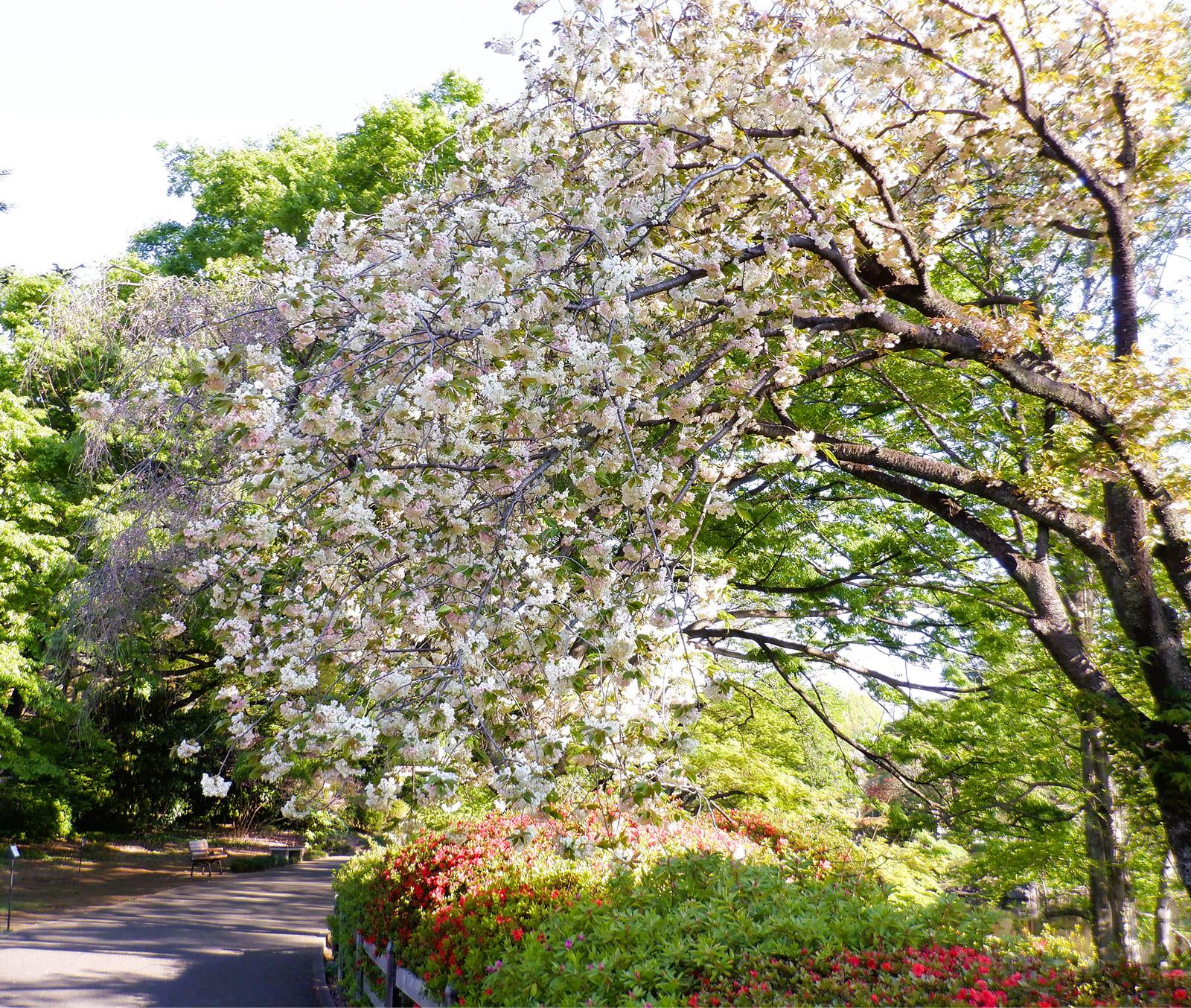
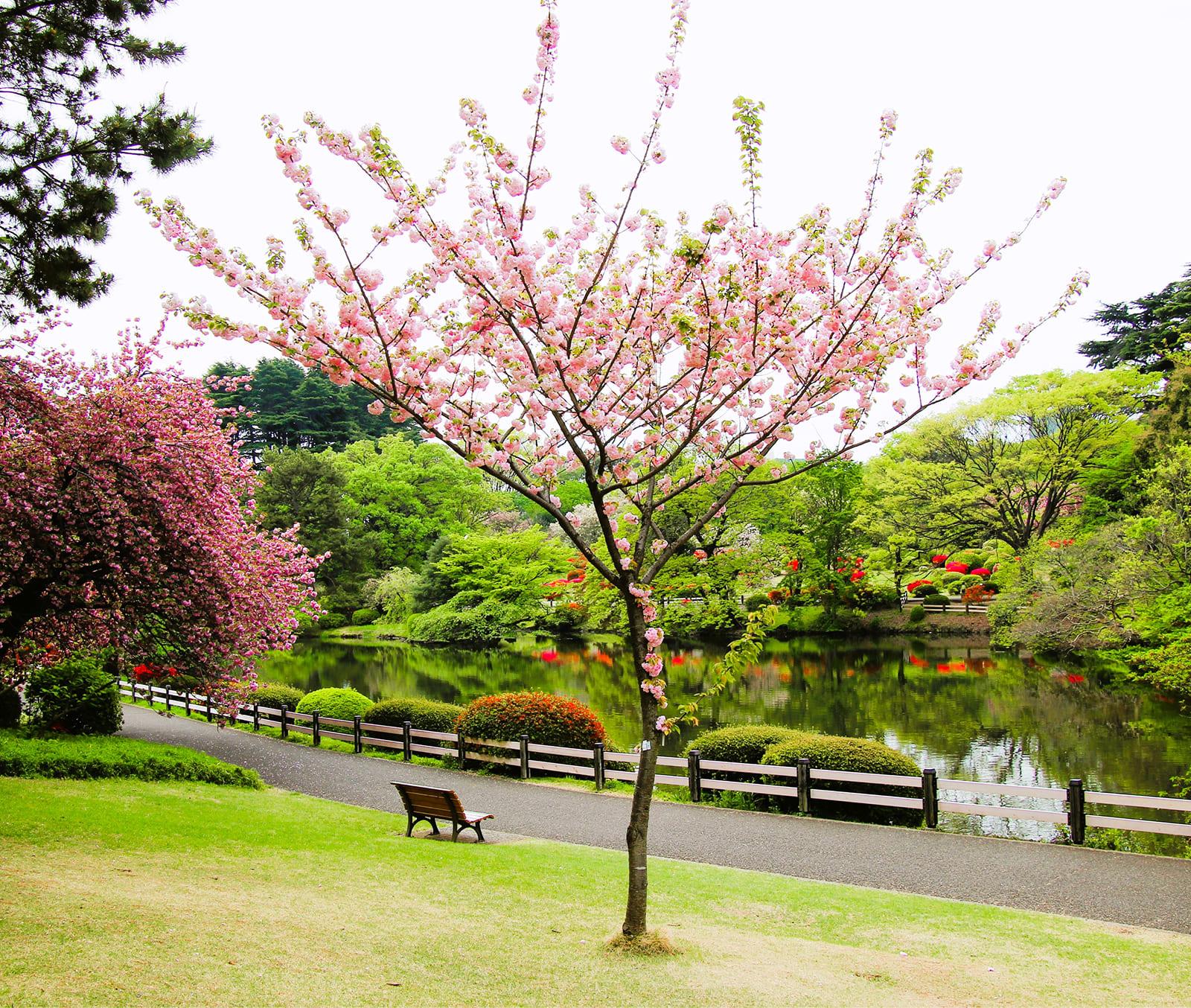
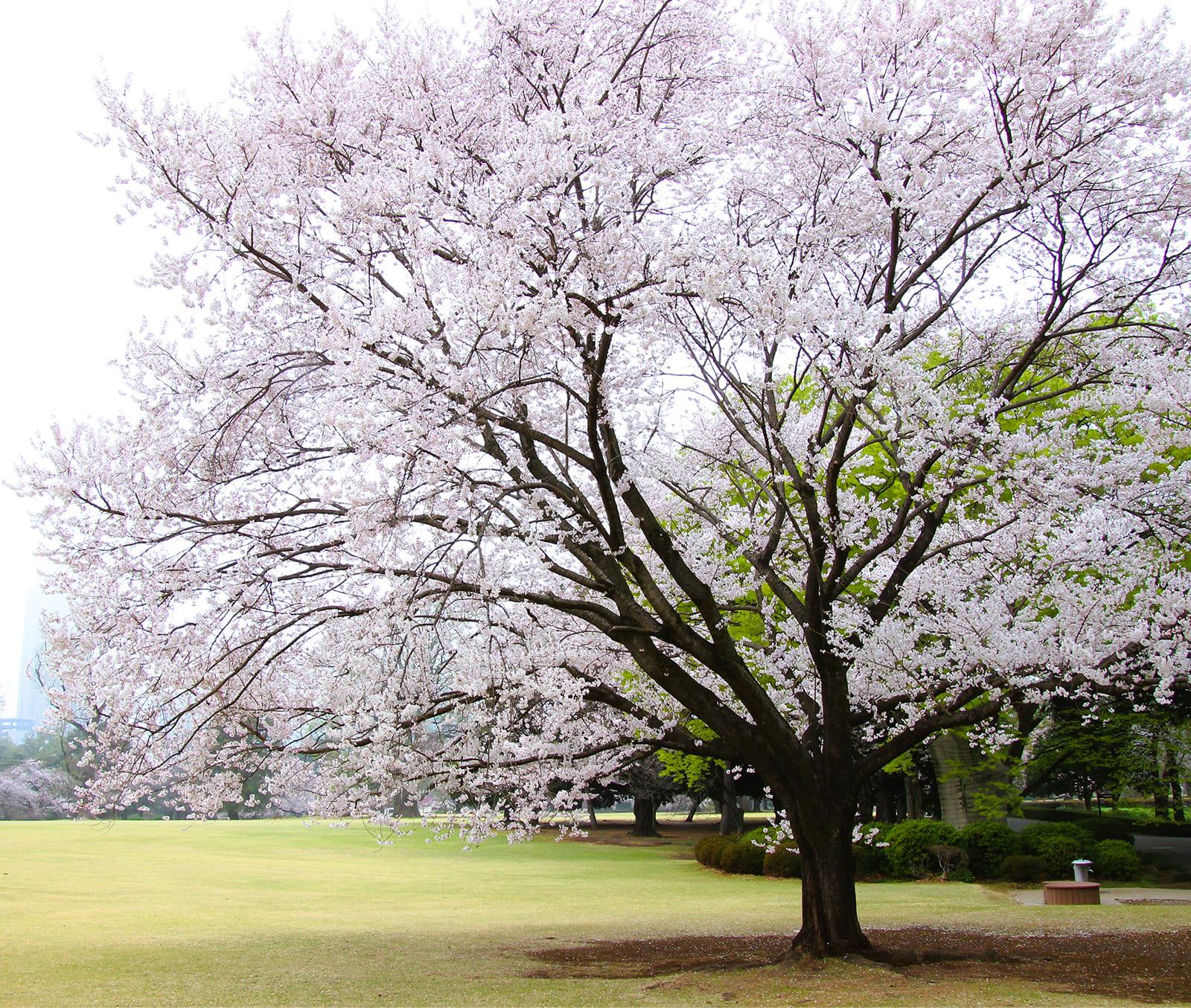
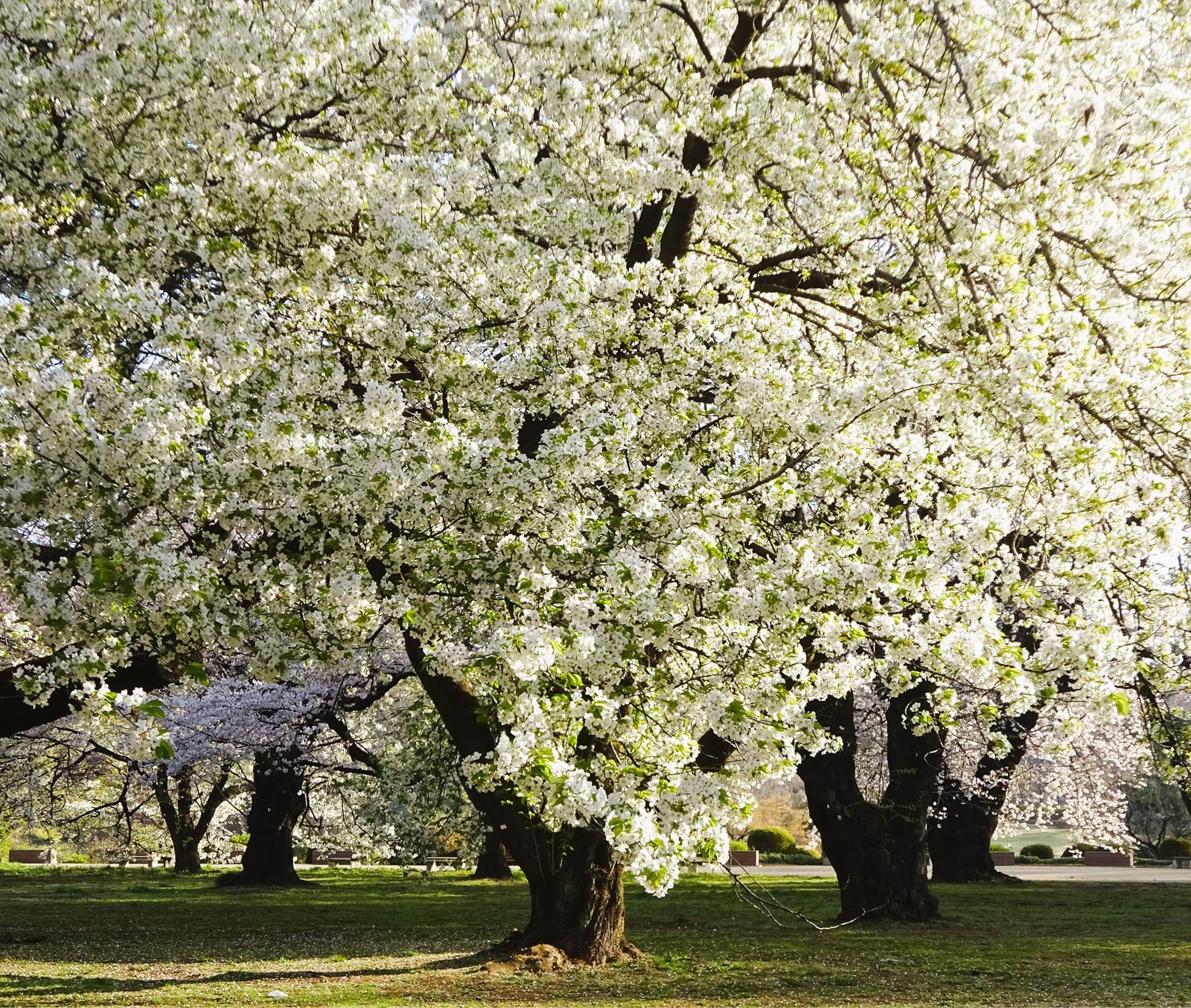
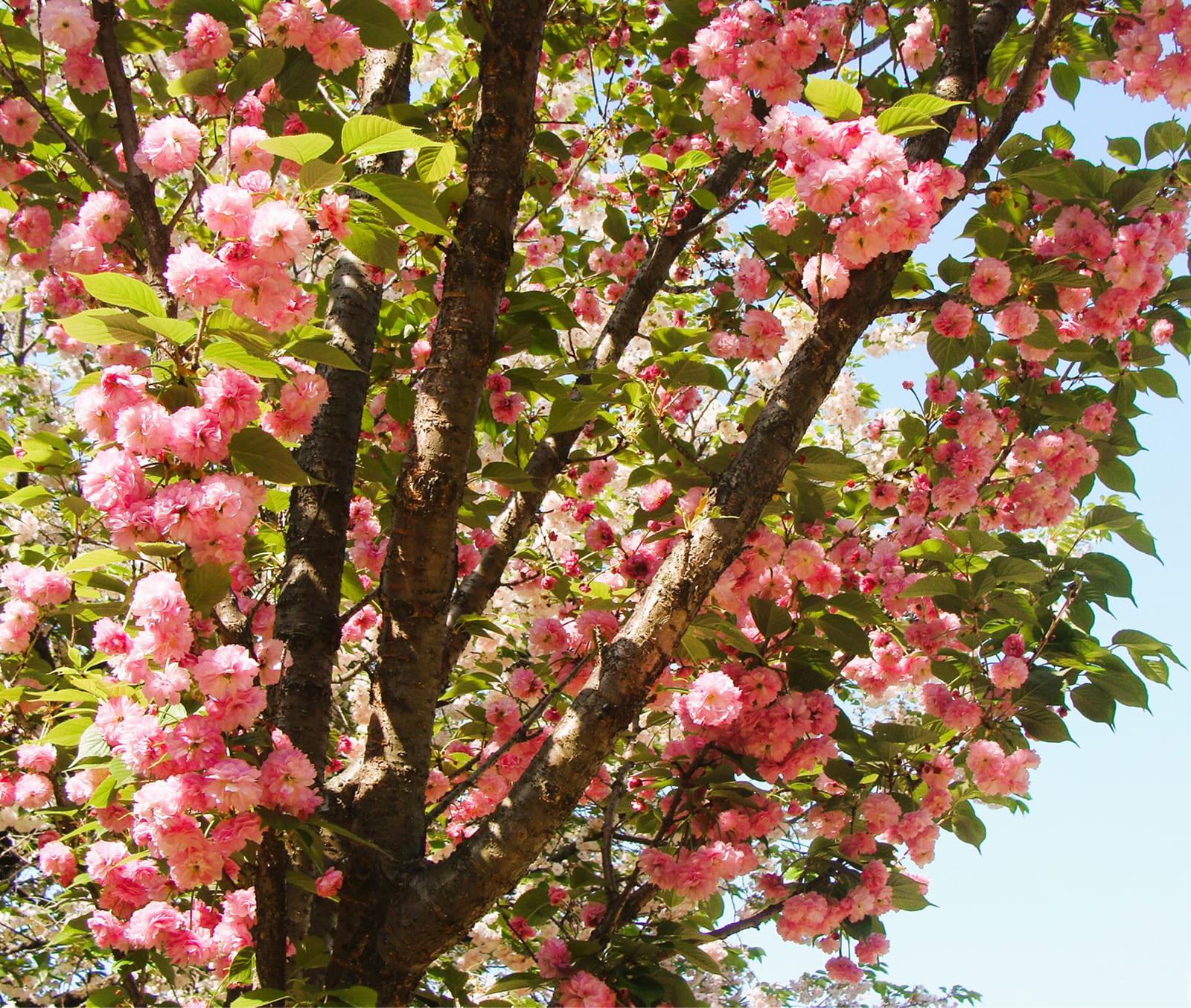
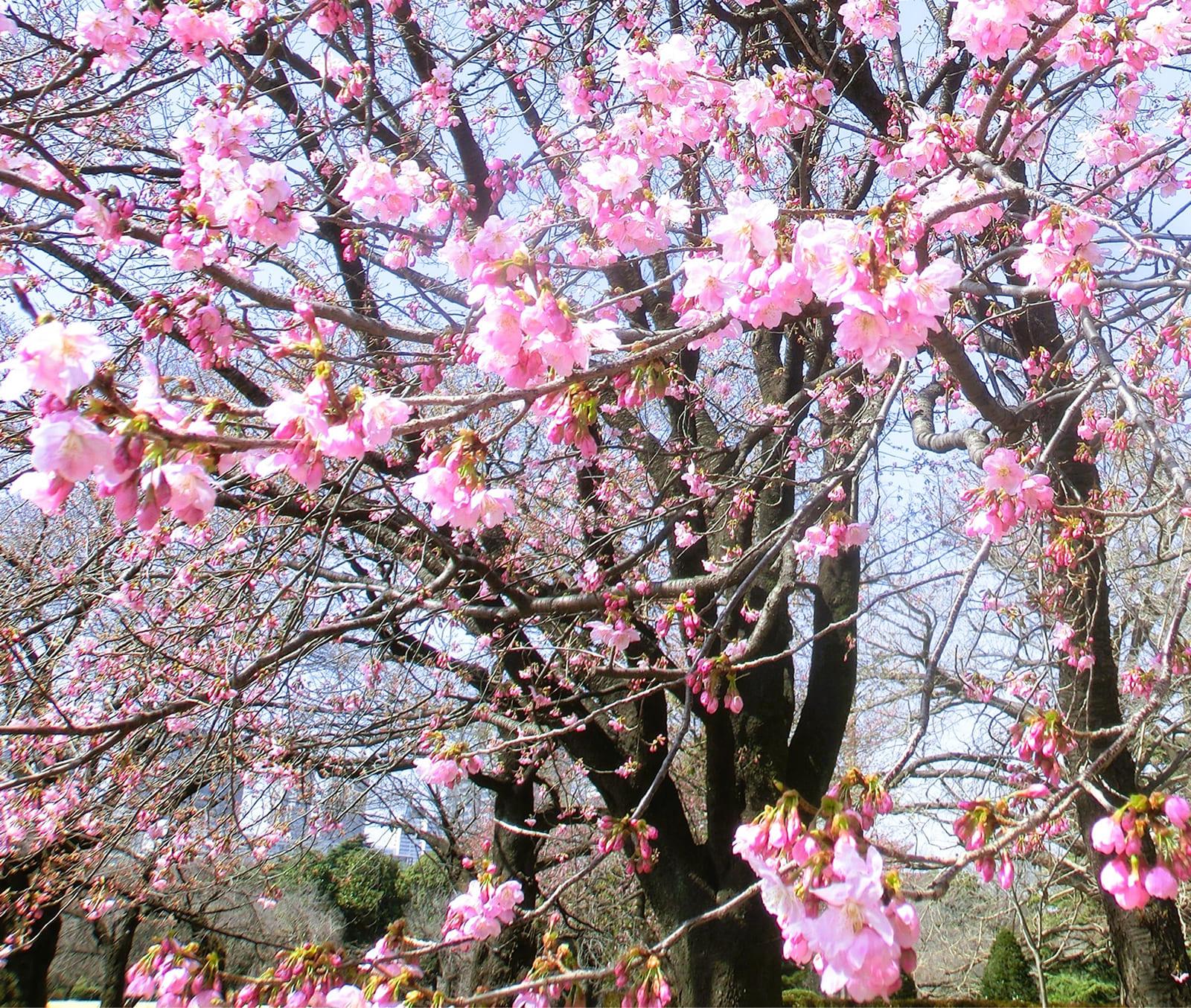
![[Photo] A view of the cherry blossoms in full bloom in Shinjuku Gyoen. The cherry blossoms are in full bloom.](/national-garden/shinjukugyoen/highlights/sakura/images/img_01.jpg)
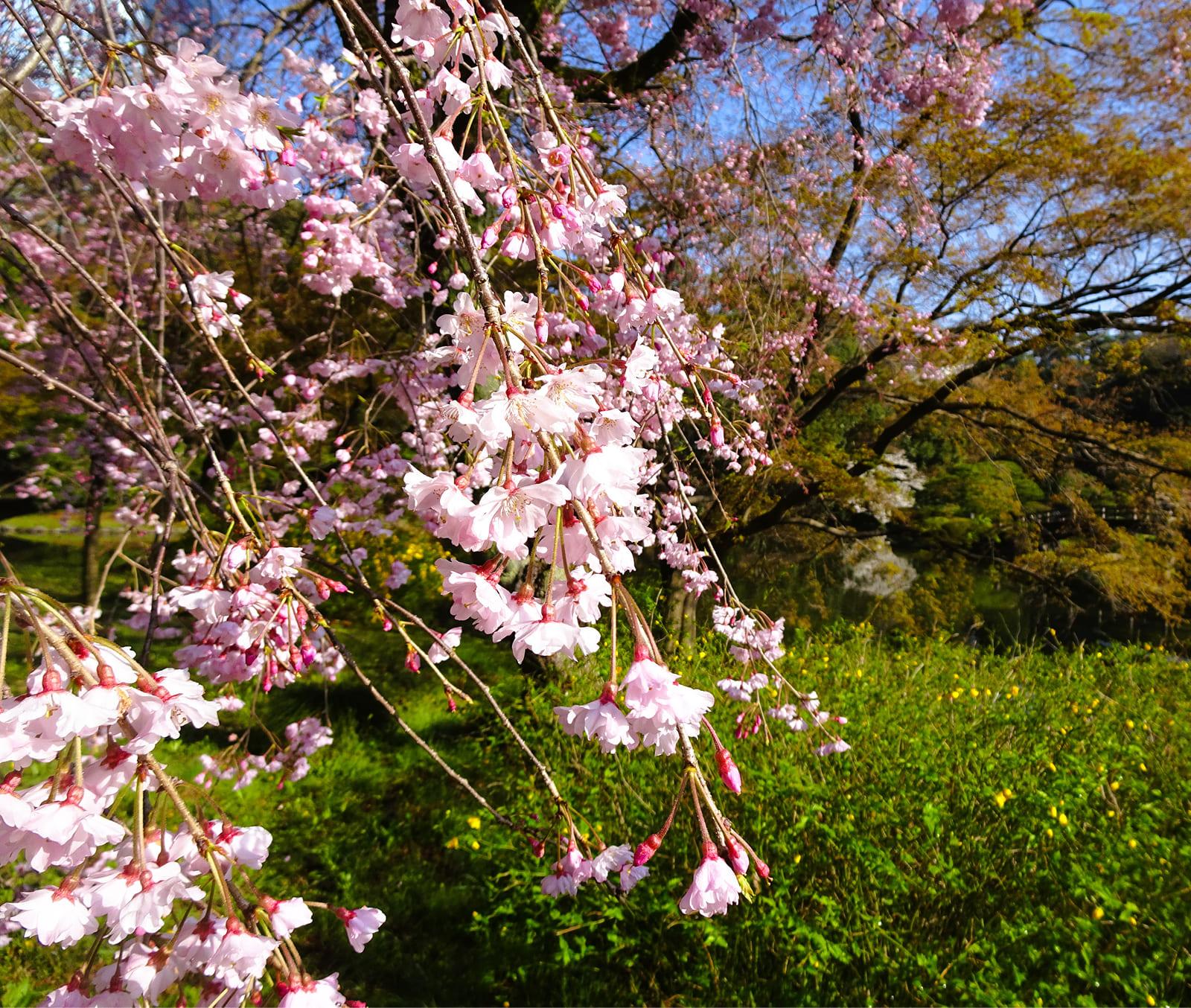
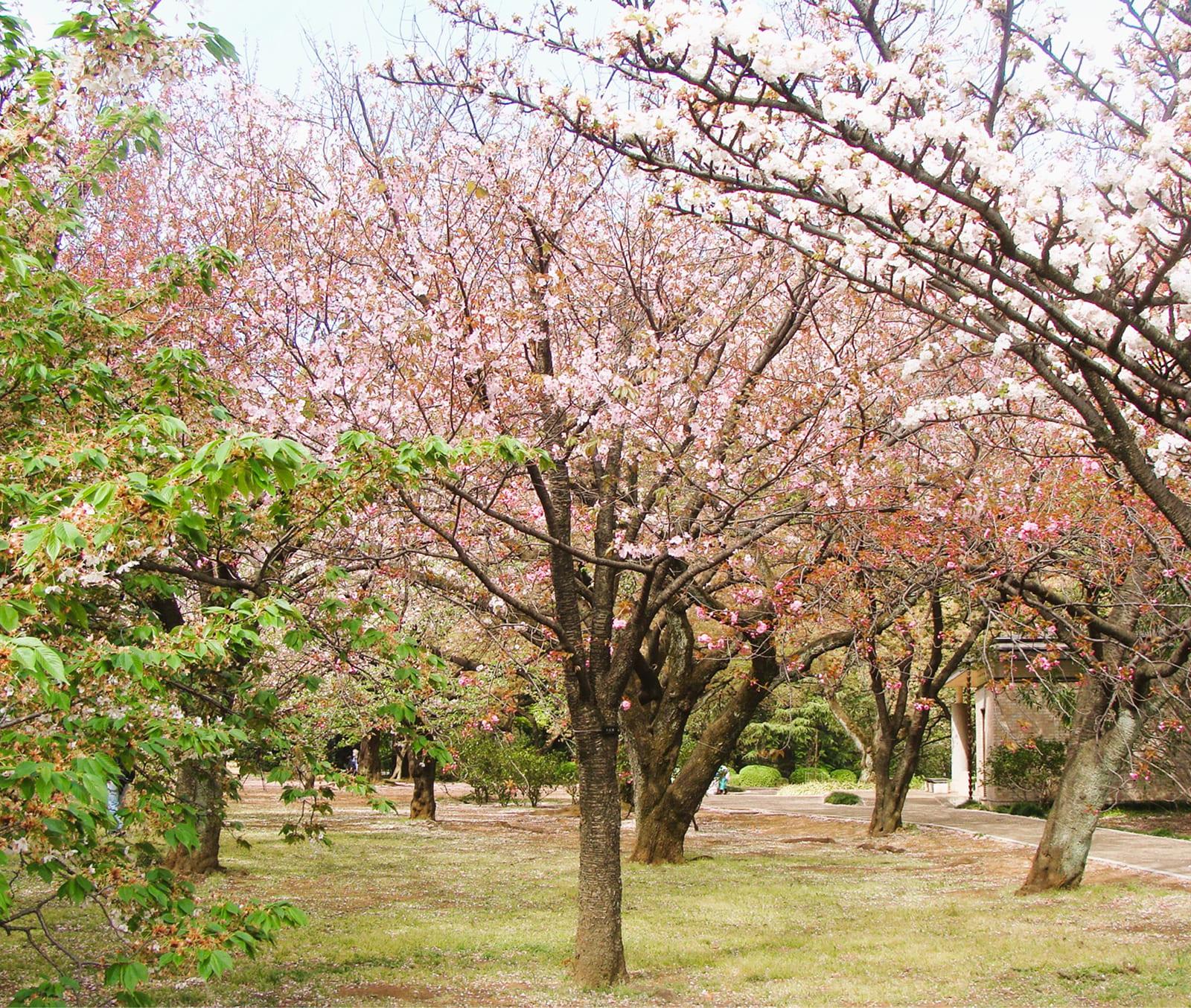
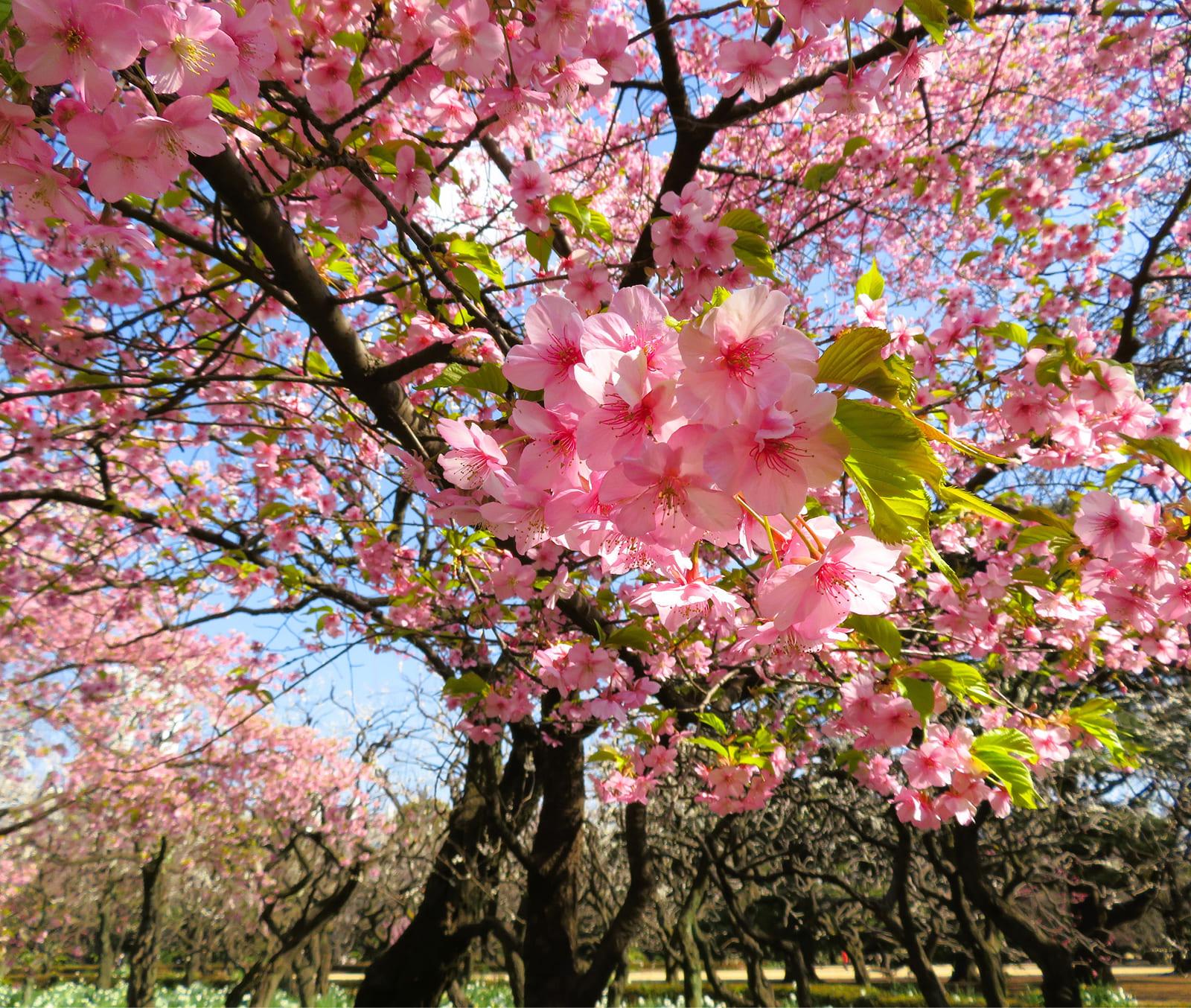
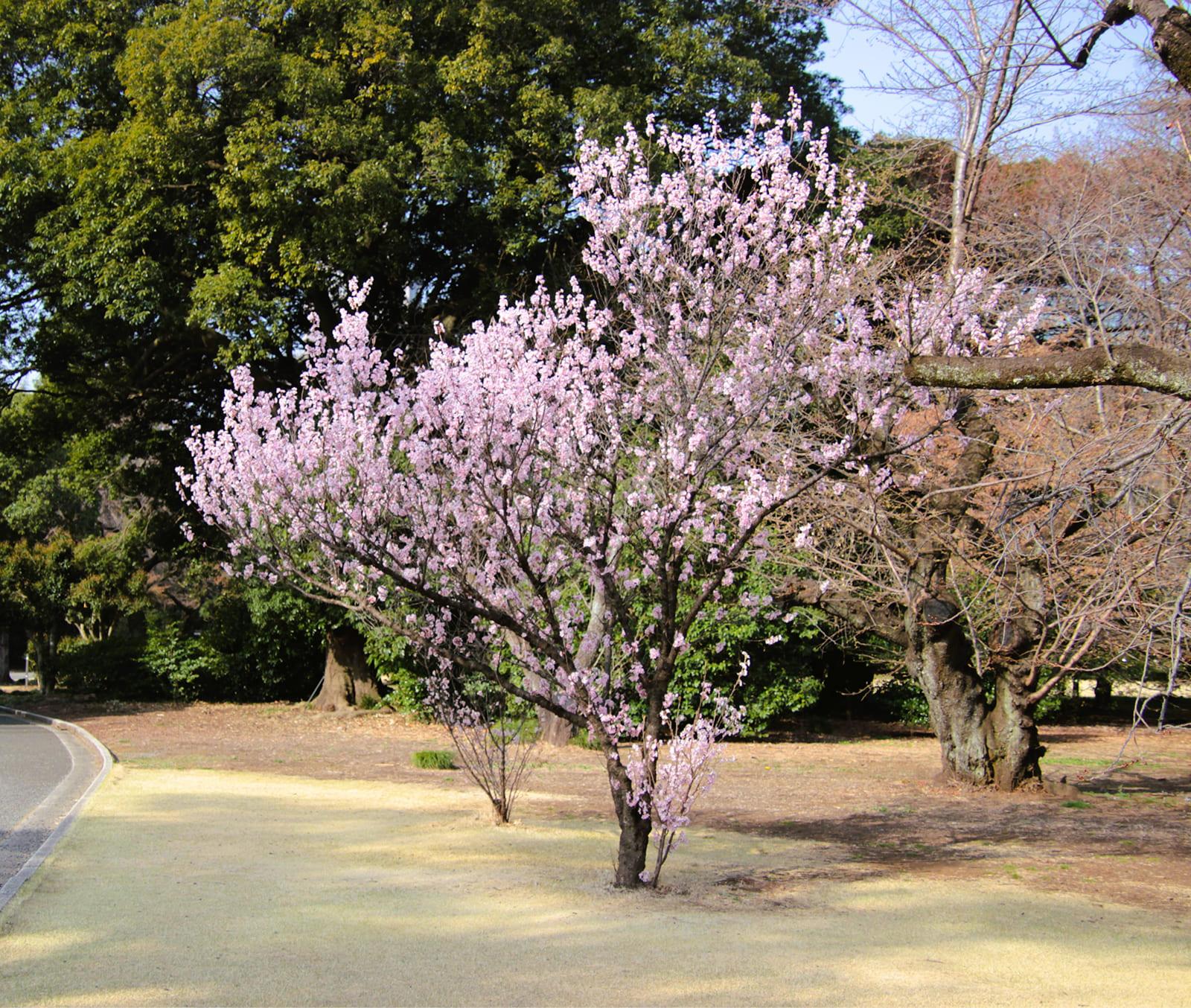
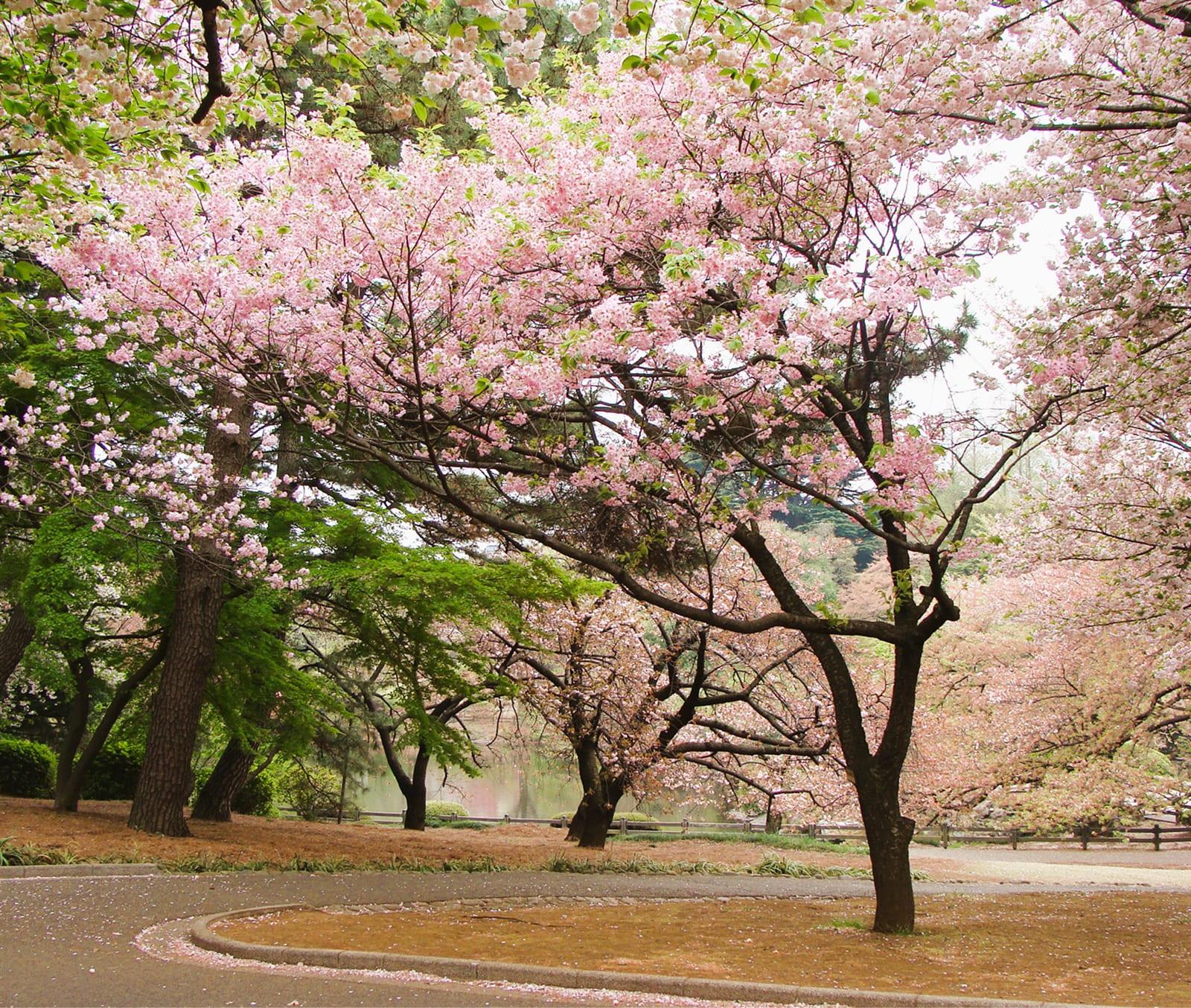
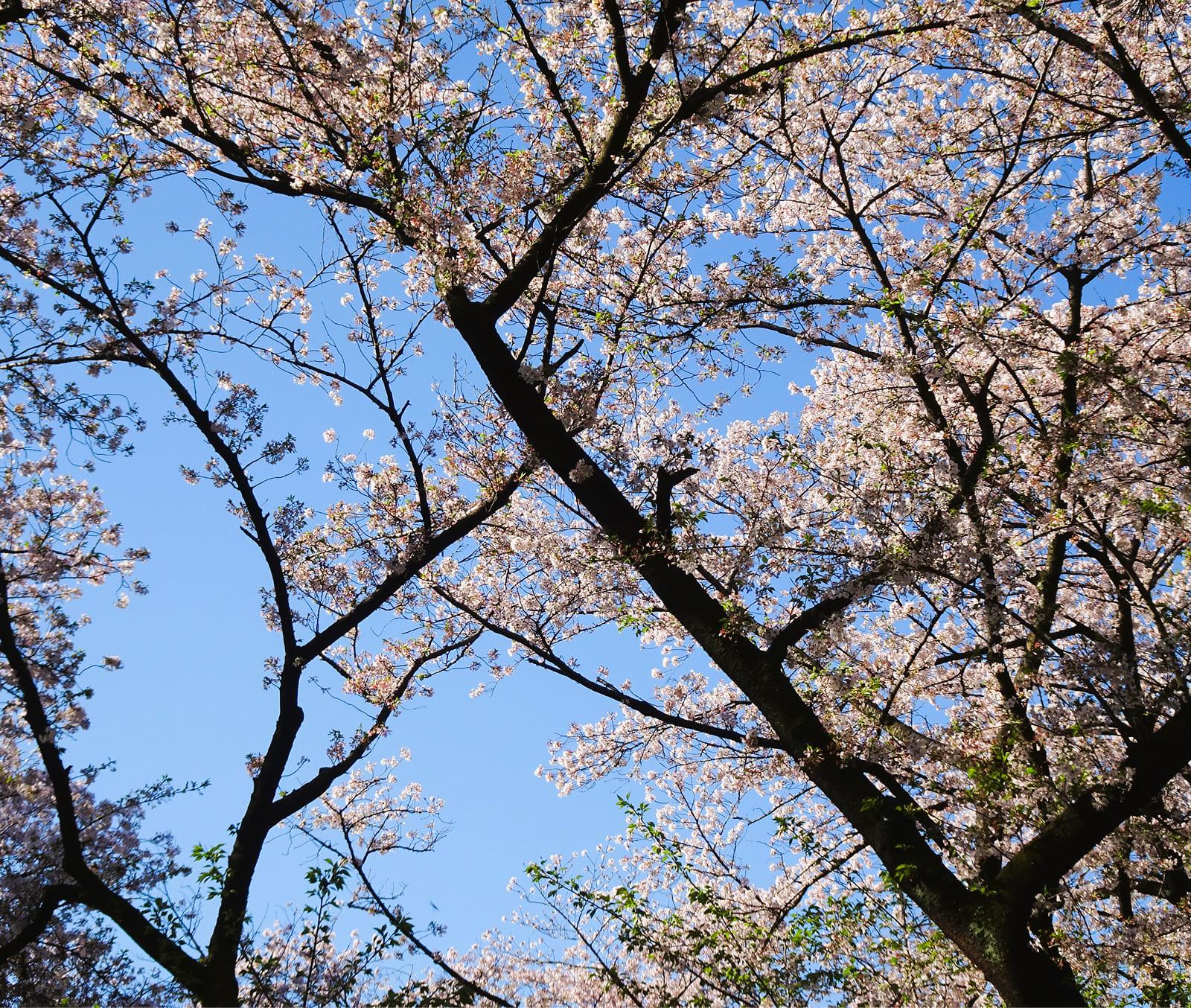
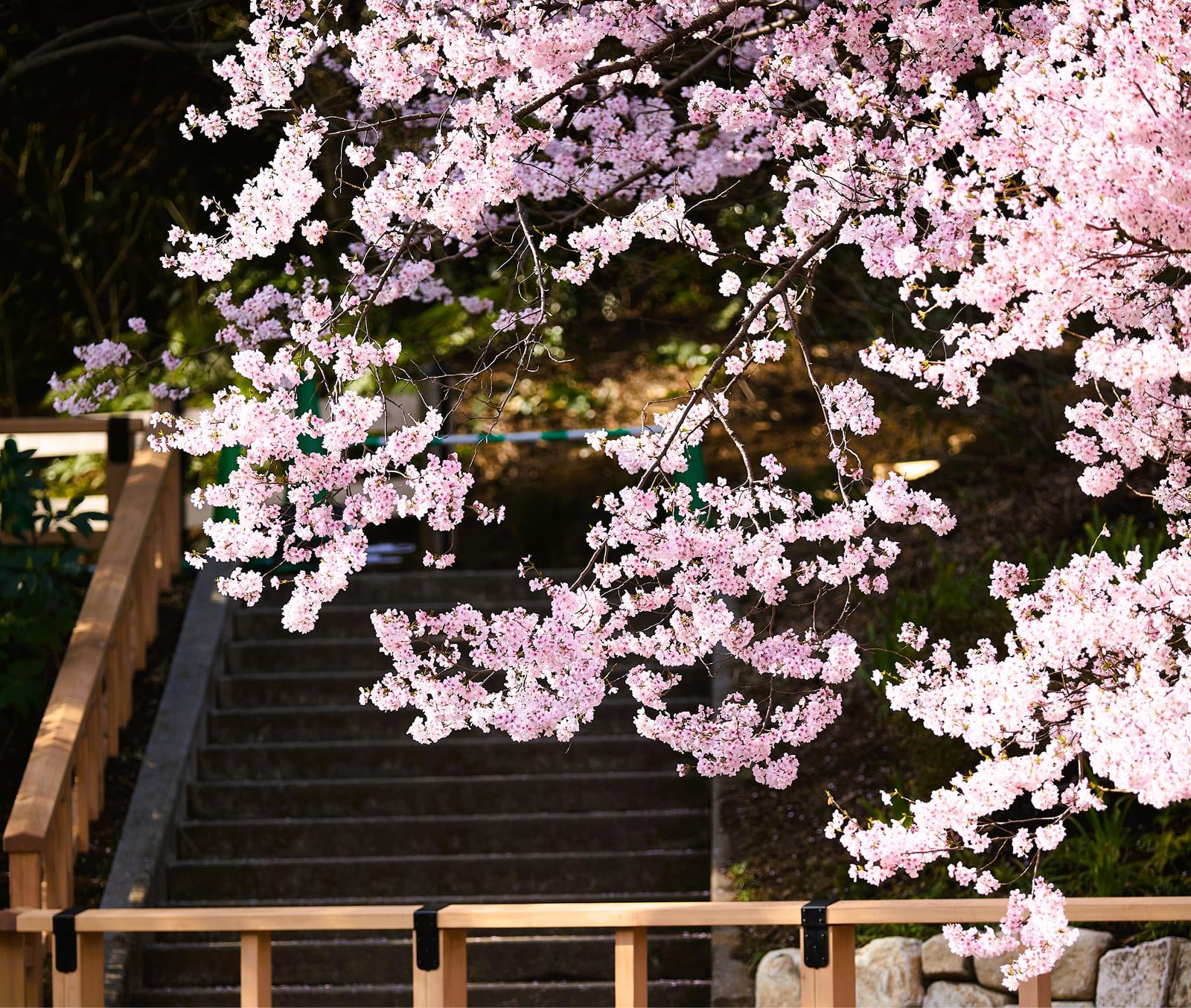
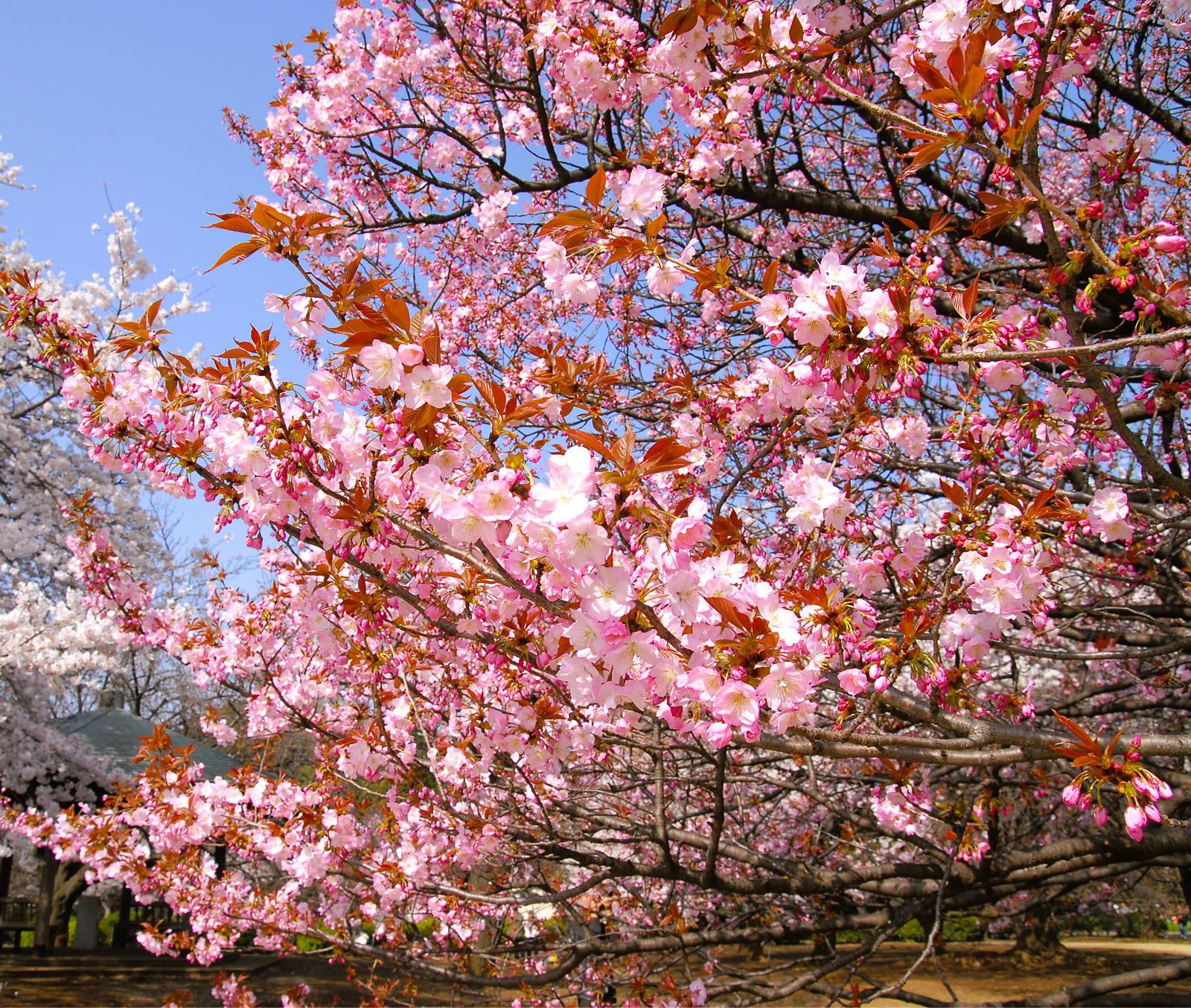
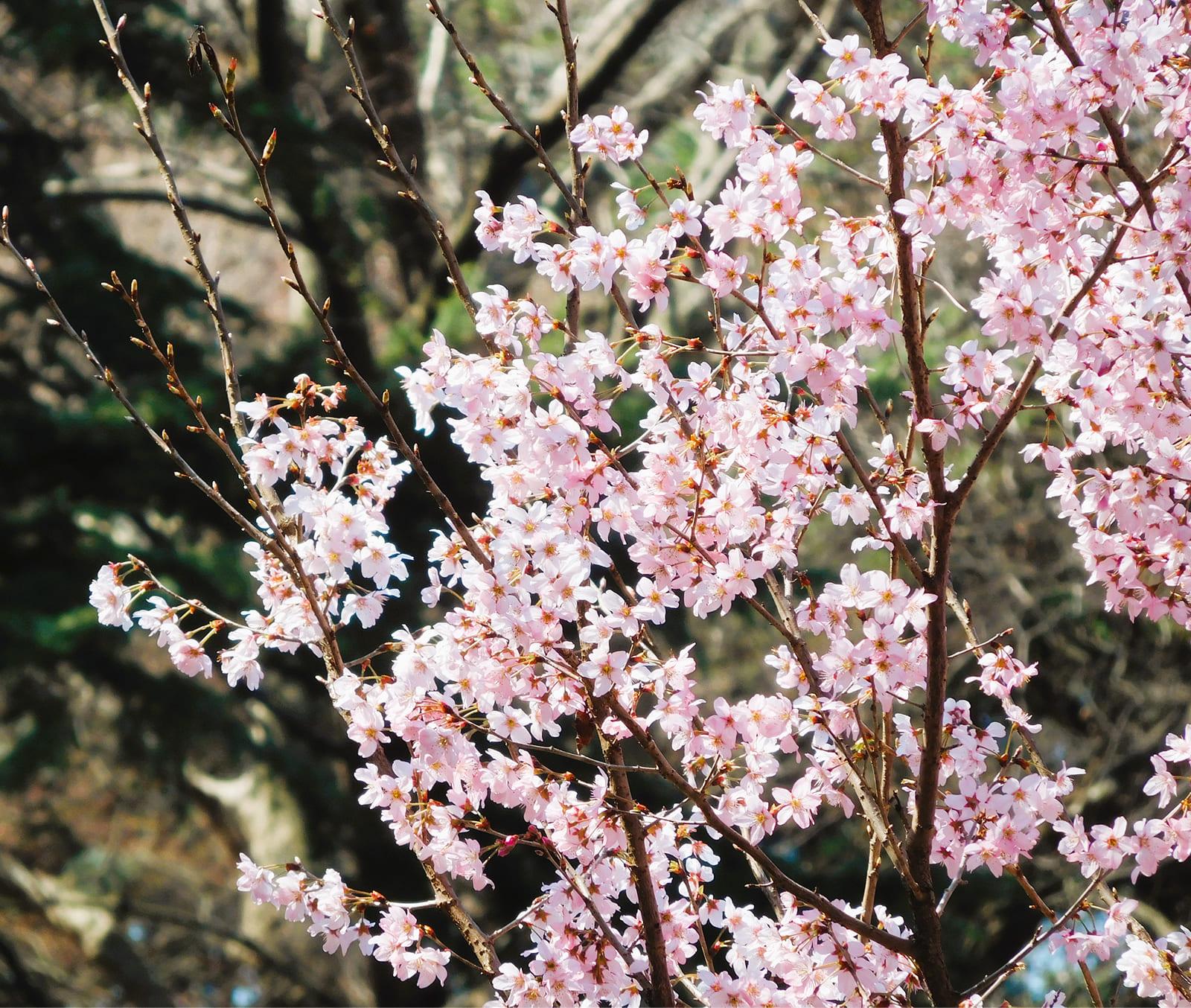
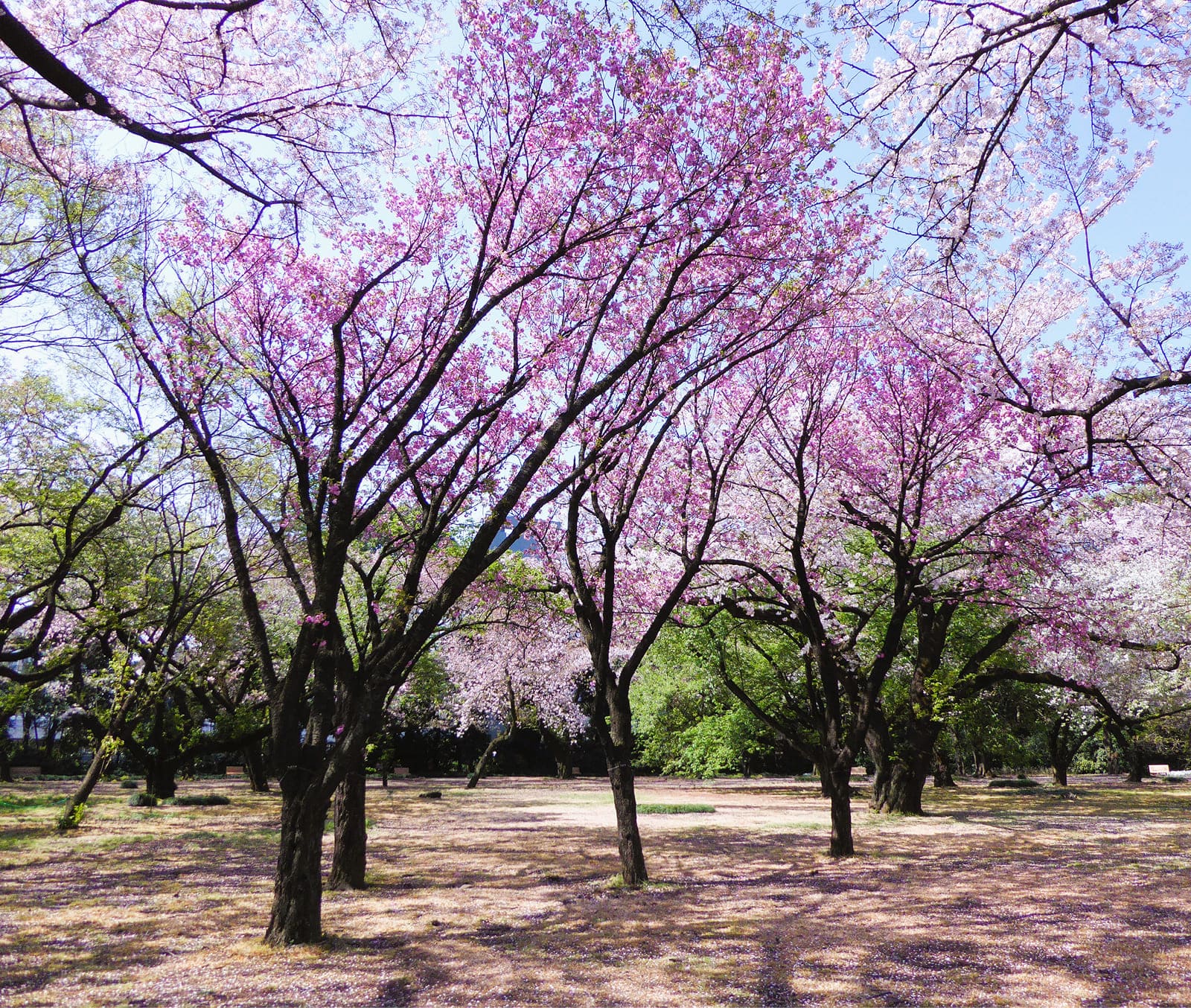
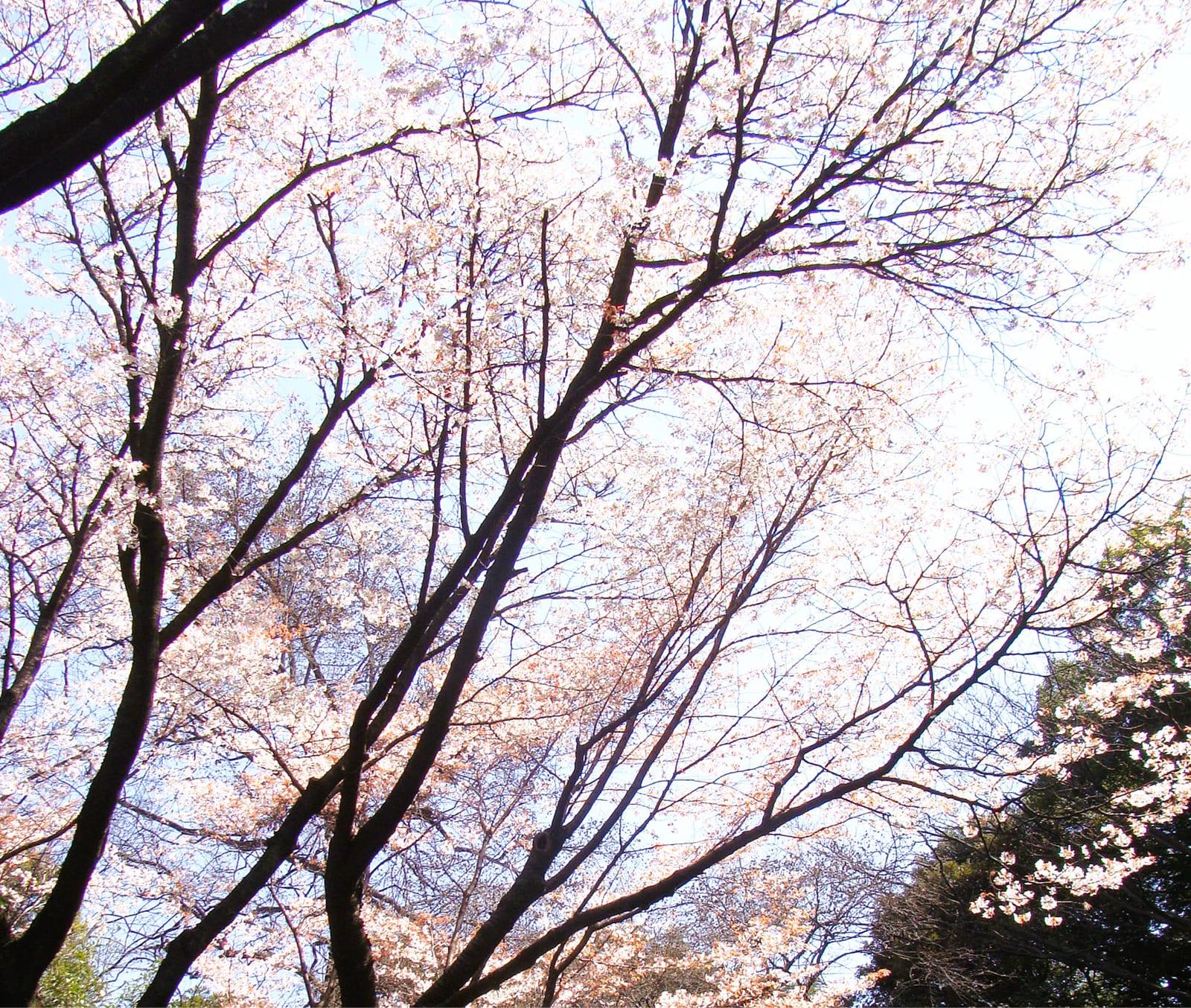
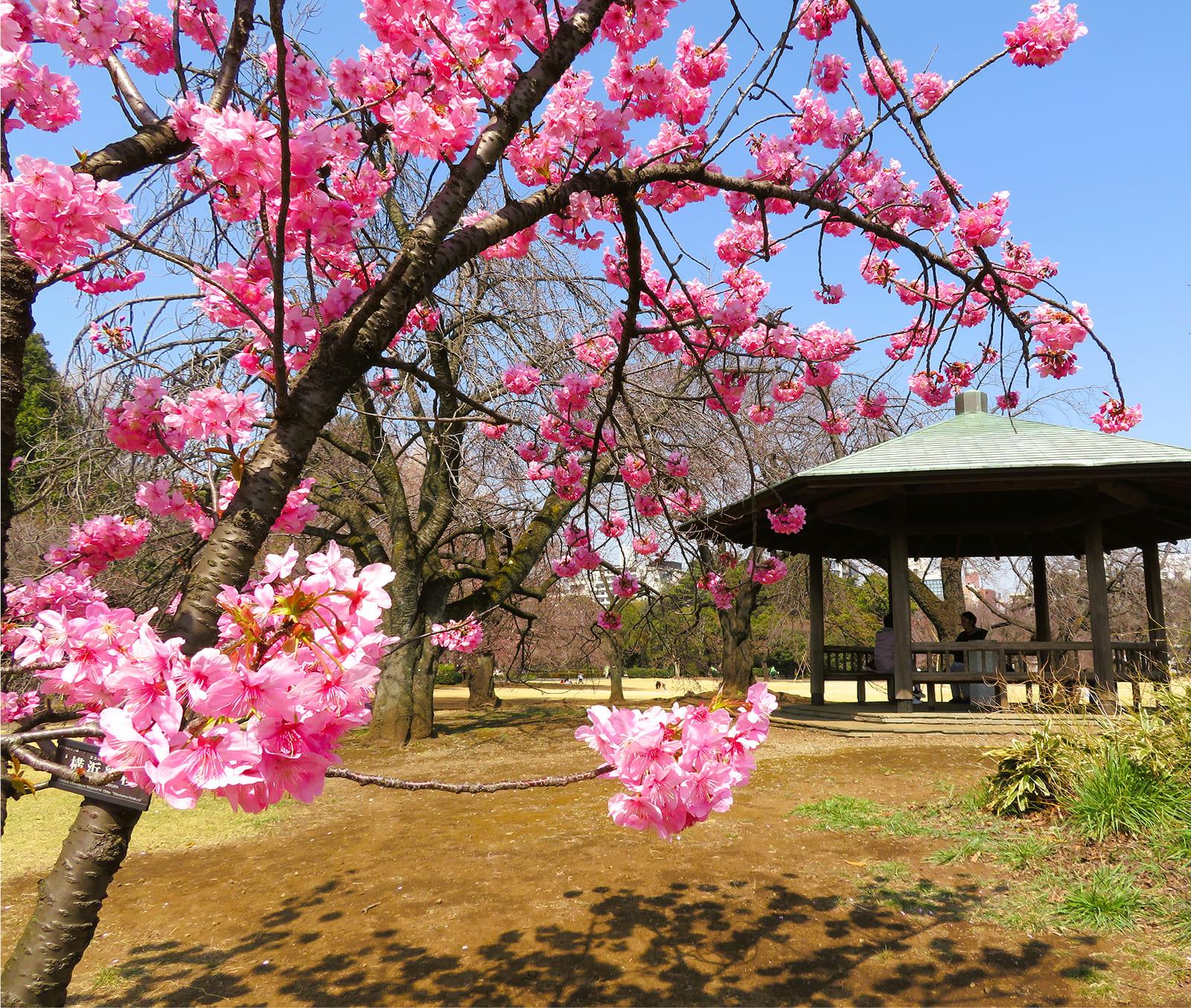
Around 900 cherry trees of approximately 70 varieties in the garden blossom at different times, allowing visitors to enjoy the blossoms for an extended period from early to late spring. Early-blooming Kanzakura cherries are best viewed from February to early March. Late March sees the common pale-pink Somei Yoshino emerging, while the beloved double-petaled yaezakura varieties peak around mid-April. The Jugatsu-zakura, or October cherry, in fact blooms twice - in spring and autumn.
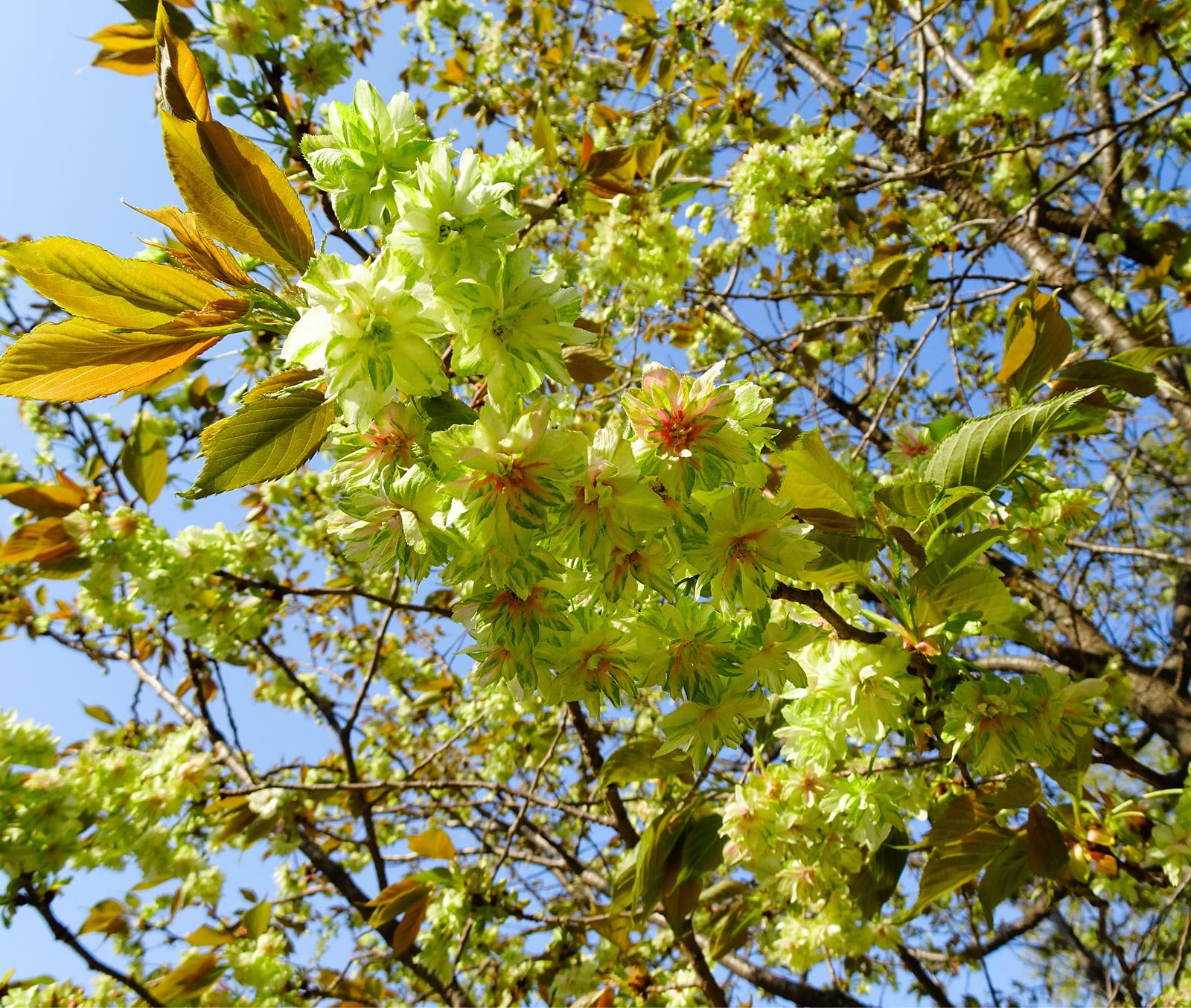
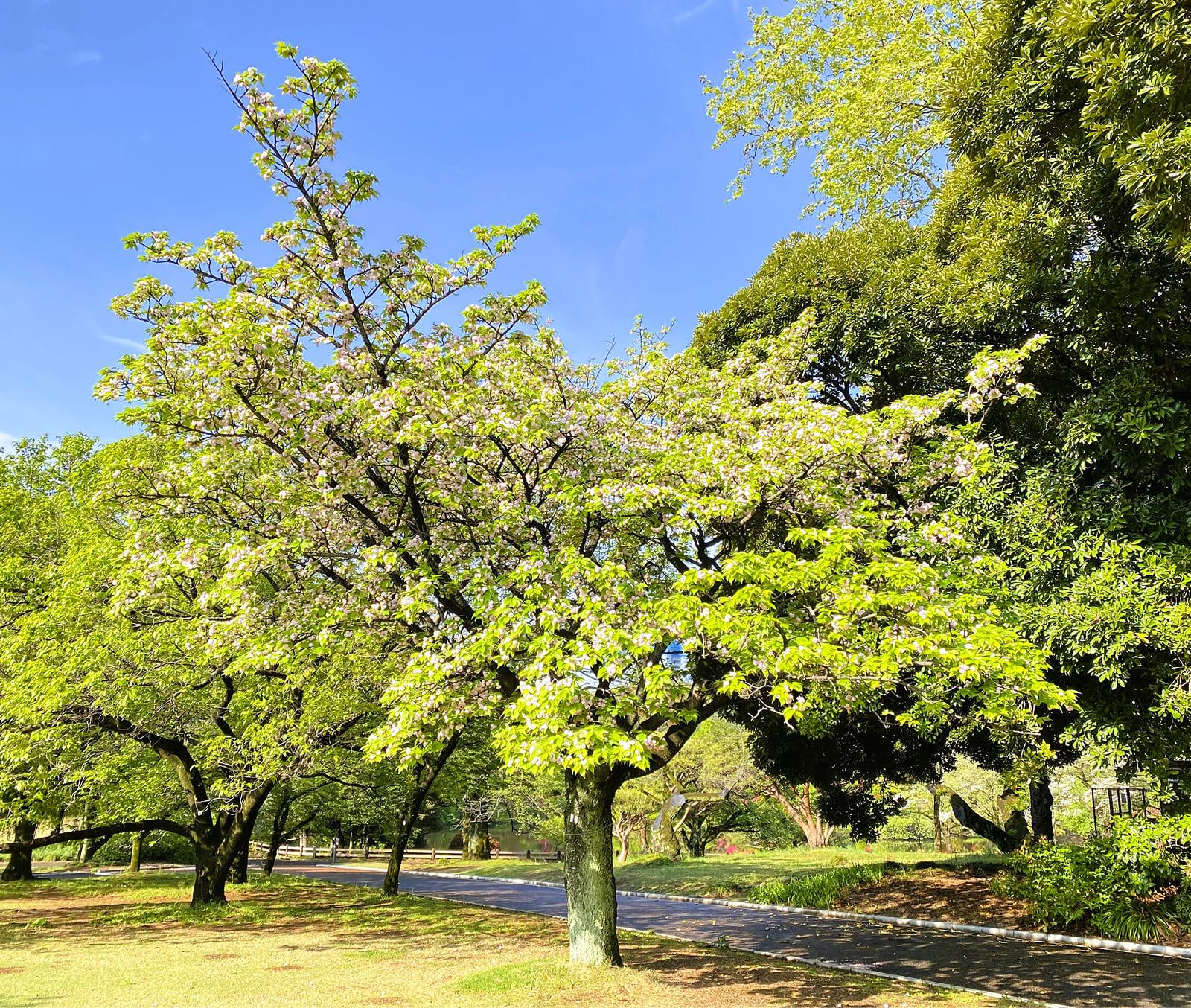
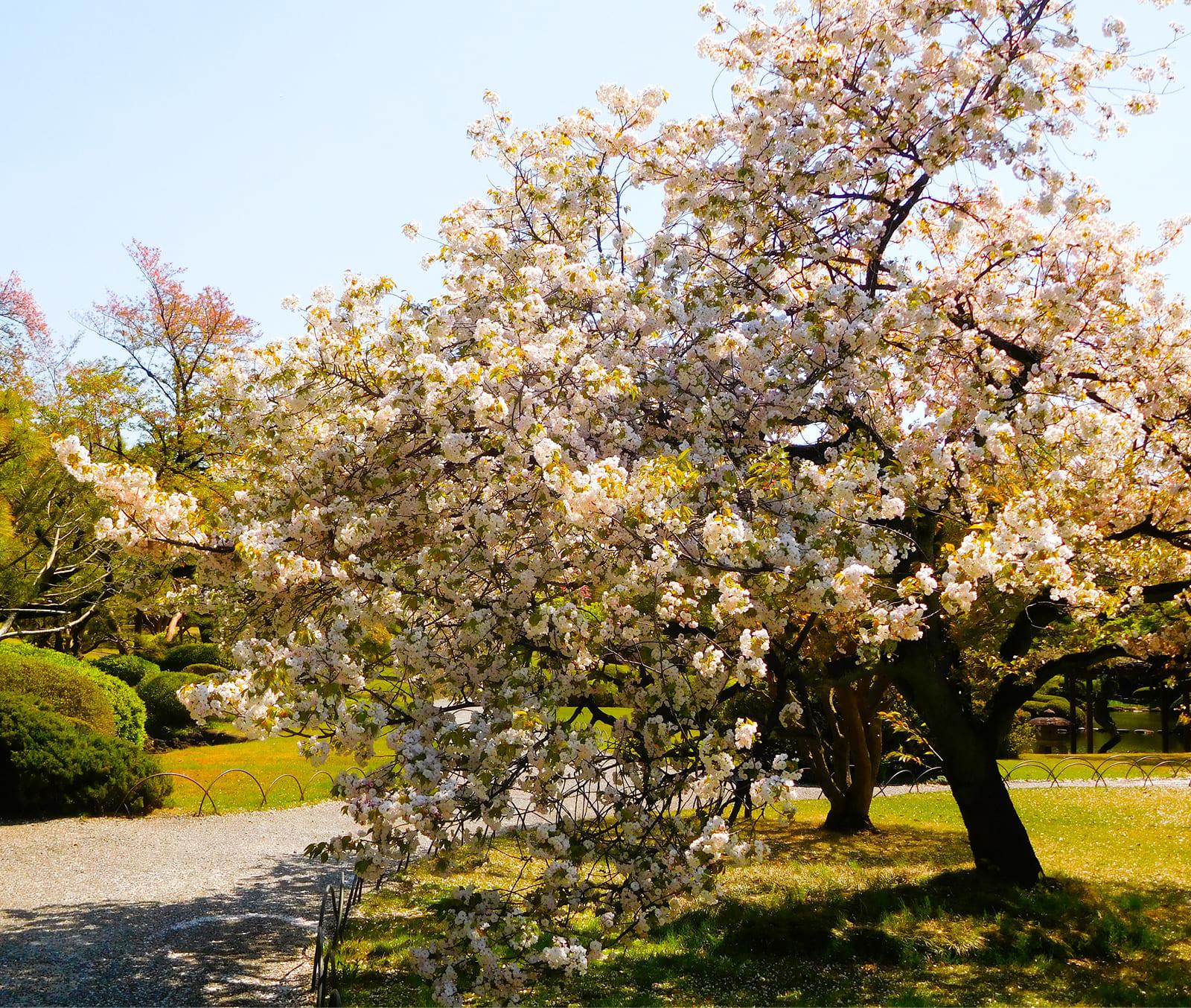
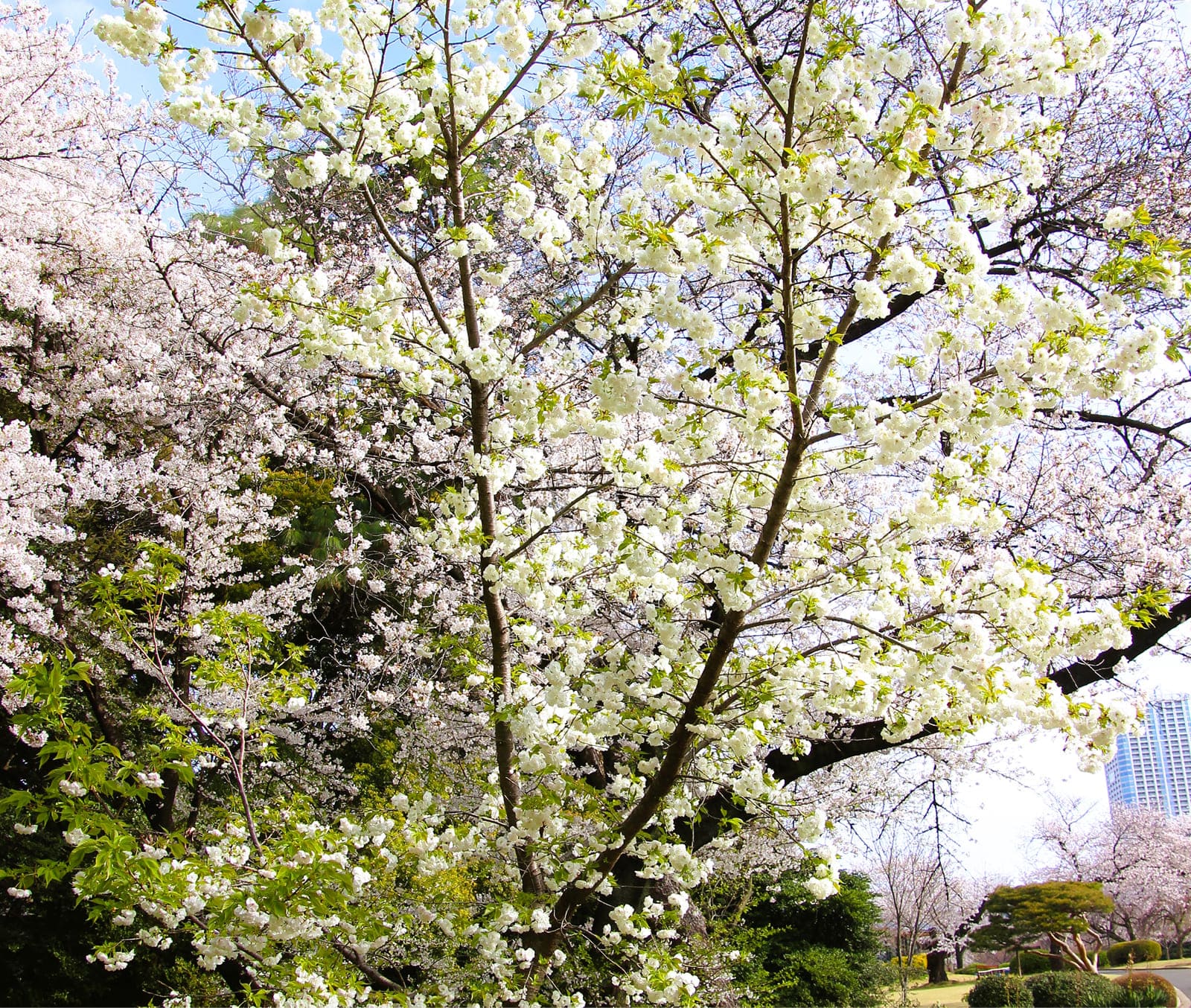
Most people imagine Somei Yoshino when they think of cherry trees, and it remains the most widespread variety of cherry today. Numbering around 300 trees, it is also the most numerous variety at Shinjuku Gyoen. Next most numerous are the yaezakura. Yaezakura is not the name of a particular variety, but is instead a general term used to describe double-flowered cherry blossoms. Shinjuku Gyoen is home to a number of varieties, including Ichiyo, Kanzan, Fugenzo, Ukon, and Gyoiko.
Sakura in Japanese Culture
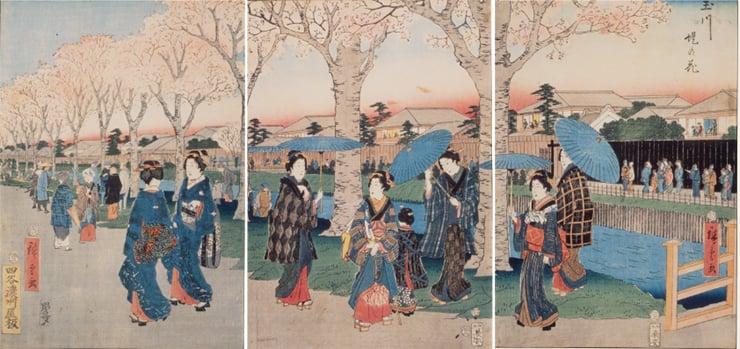
The cherry blossoms are one of the most celebrated spring sights in Japan. The "cherry front" as it is called moves gradually north as it sequentially dyes each part of the country in beautiful pale pink. The love of cherry blossoms has a long history in Japan, and hanami or blossom viewing is a key event in Japan to this day.
The Japanese love of cherry blossoms began back in the Heian Period (794 - 1185). Before that time, plum blossoms were the most highly prized flowers because of the influence of Chinese culture. During the Heian Period, the love of cherry blossoms overtook plum blossoms viewing with the development of a uniquely Japanese poetic culture. Later came great flower-viewing parties among the powerful samurai class, and the many varieties of cherry trees were given their names. Flower-viewing became part of the popular culture starting from the Edo Period (1603 - 1868). Shogun Tokugawa Yoshimune planted cherry trees on the banks of the Sumida River and on Mt. Asuka, and encouraged cherry blossom viewing among the townspeople.
Cherry Trees and Shinjuku Gyoen
As many as 70 different varieties are represented among the estimated 900 cherry trees in Shinjuku Gyoen. Here we will introduce some of the main varieties that can be enjoyed in the garden. (Some varieties may no longer be seen in the garden due to disease or other reasons.)
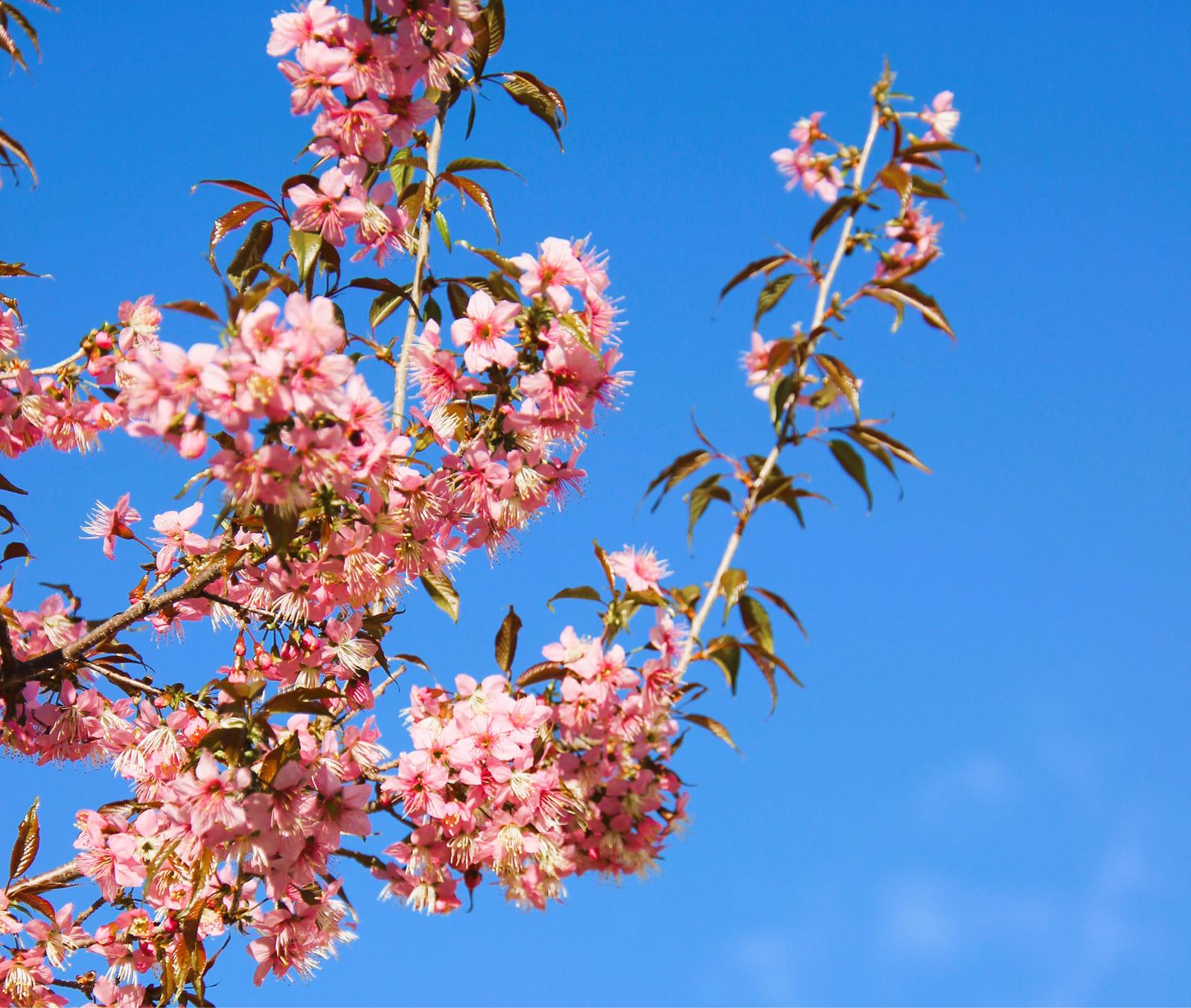
![[Photo] Kanzakura Tree](/national-garden/shinjukugyoen/highlights/sakura/images/hayazaki_tree.jpg)
![[Photo] Kanzakura flower](/national-garden/shinjukugyoen/highlights/sakura/images/hayazaki_blossom.jpg)
- Early-blooming Cherry Blossoms
- January to early March
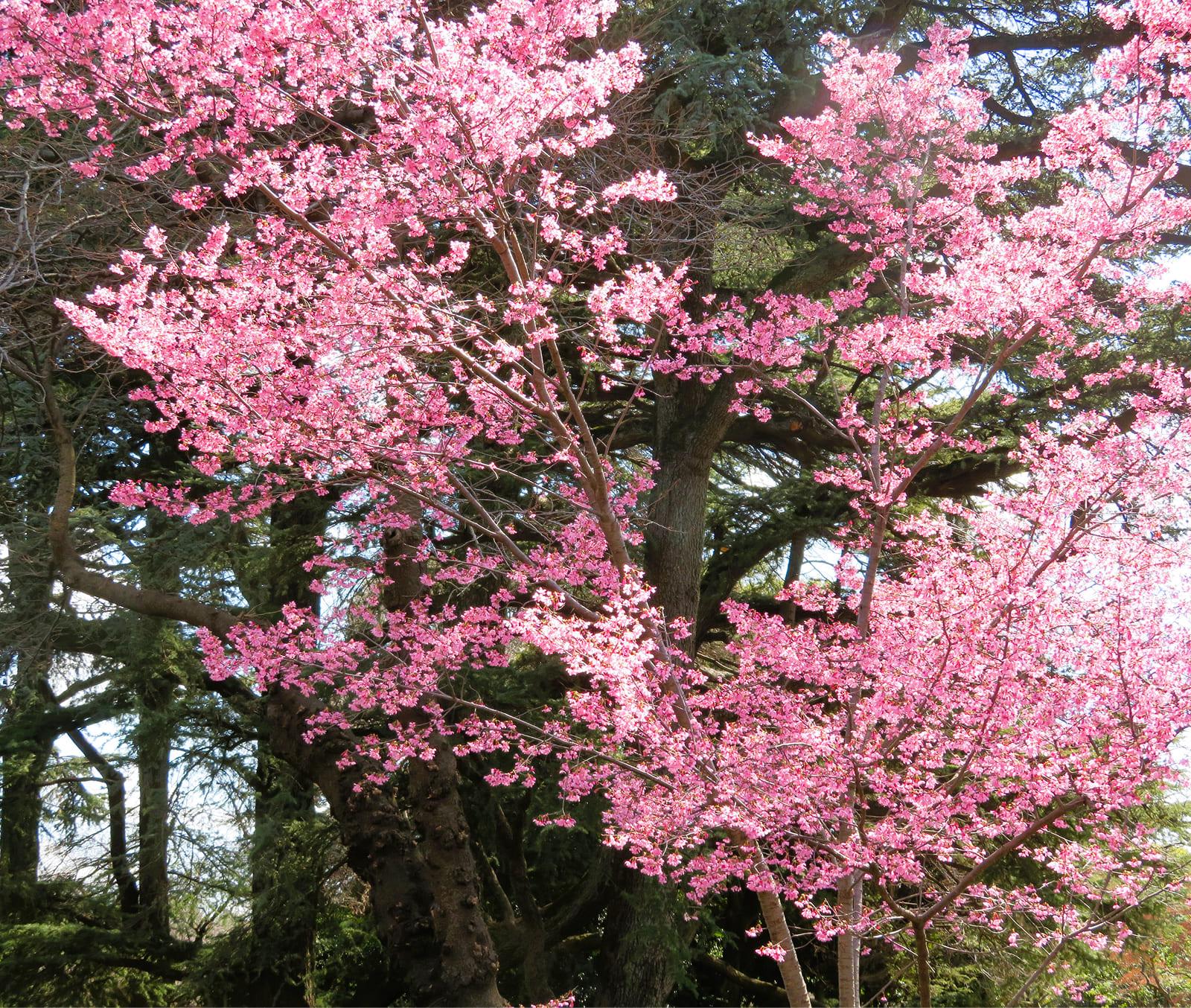
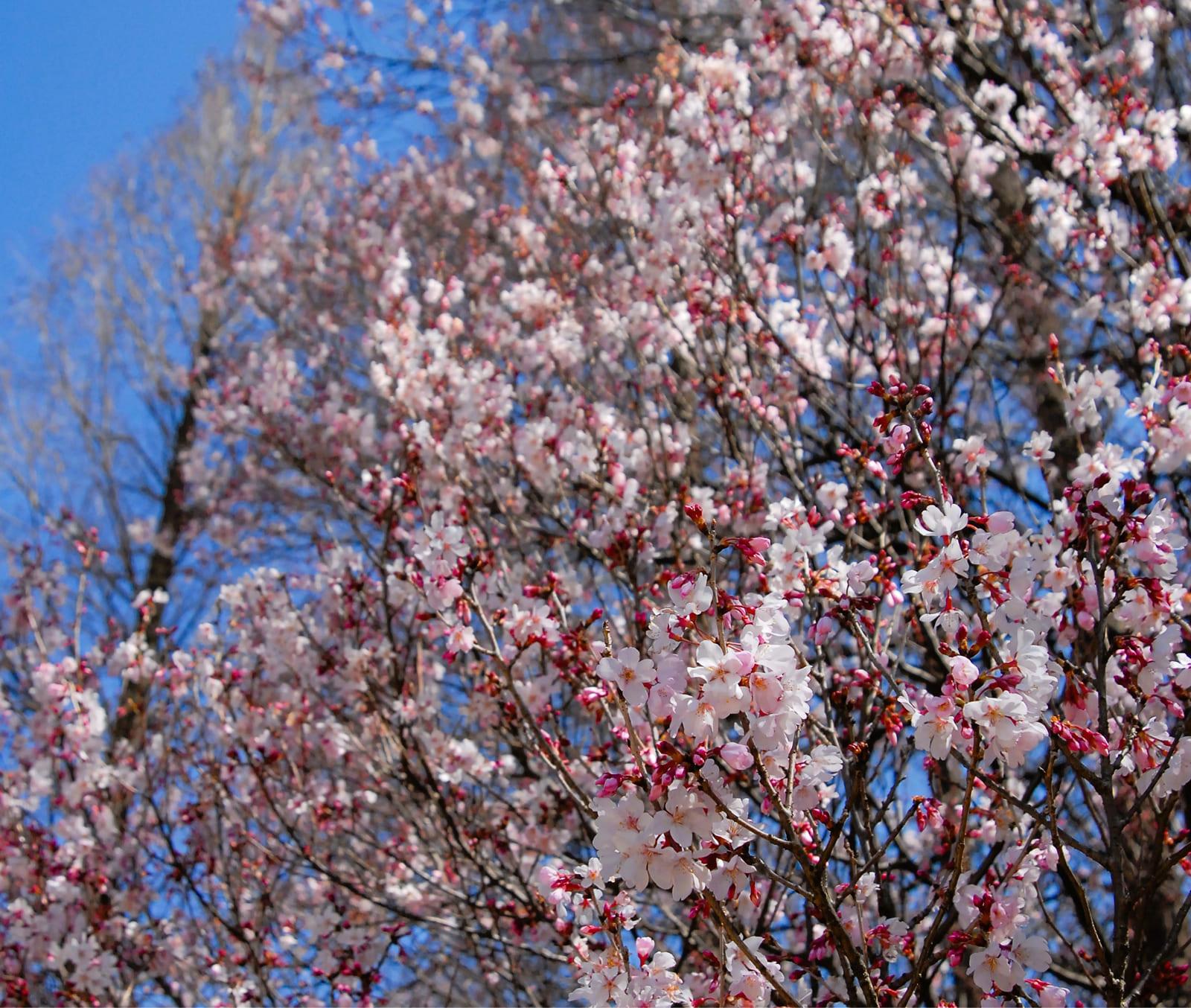
These varieties are among the first cherry trees to bloom in spring each year, when temperatures are still cold. Around 20 of these early-blooming cherry blossom varieties grow in the garden, including some near the tea house, such as the Tsubakikan-zakura cherry, Atami-zakura cherry, and the Satsumakan-zakura cherry.
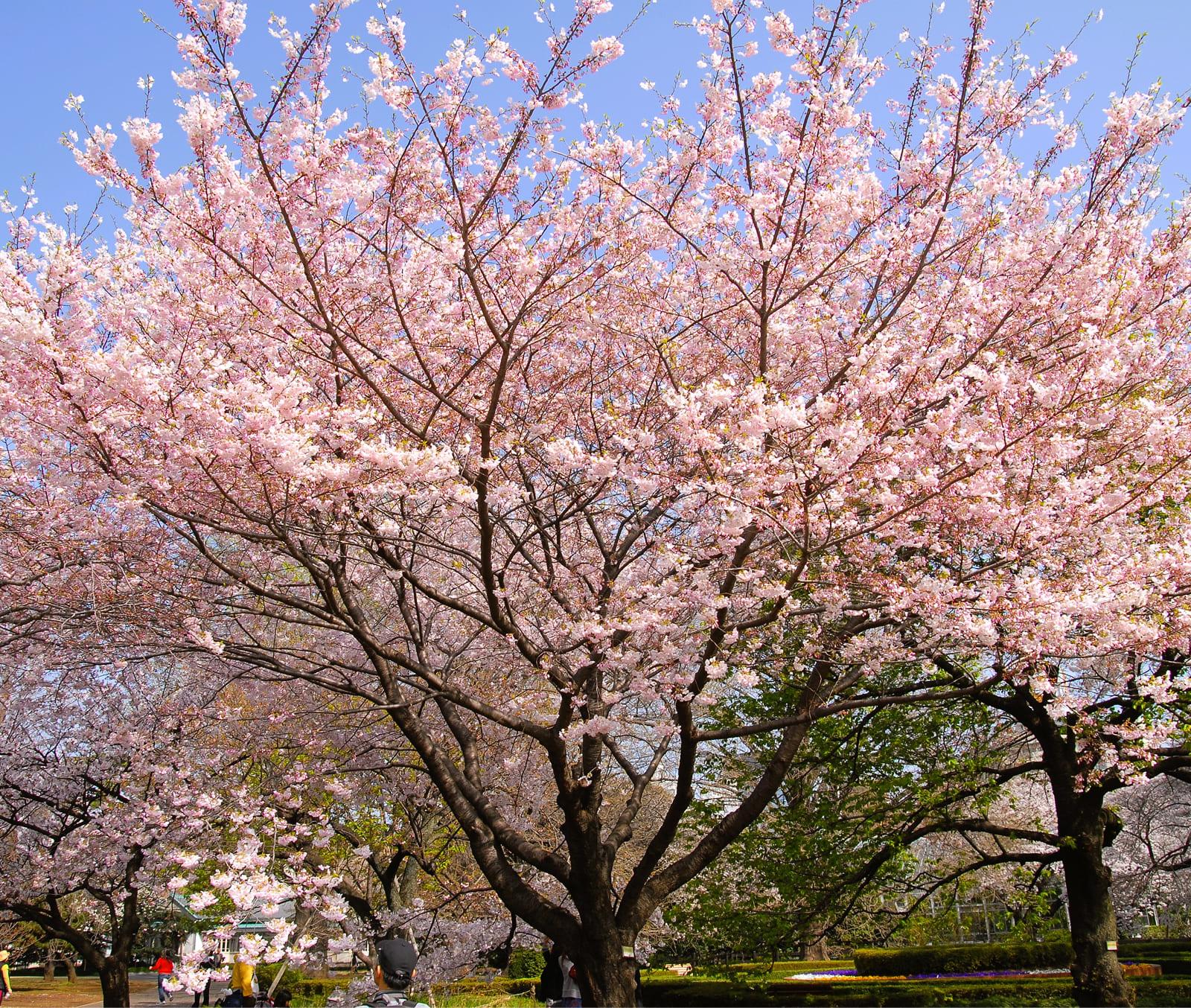
![[Photo] Somei yoshino Tree](/national-garden/shinjukugyoen/highlights/sakura/images/someiyoshino_tree.jpg)
![[Photo] Somei yoshino flower](/national-garden/shinjukugyoen/highlights/sakura/images/someiyoshino_blossom.jpg)
- Somei Yoshino
- Late March to early April
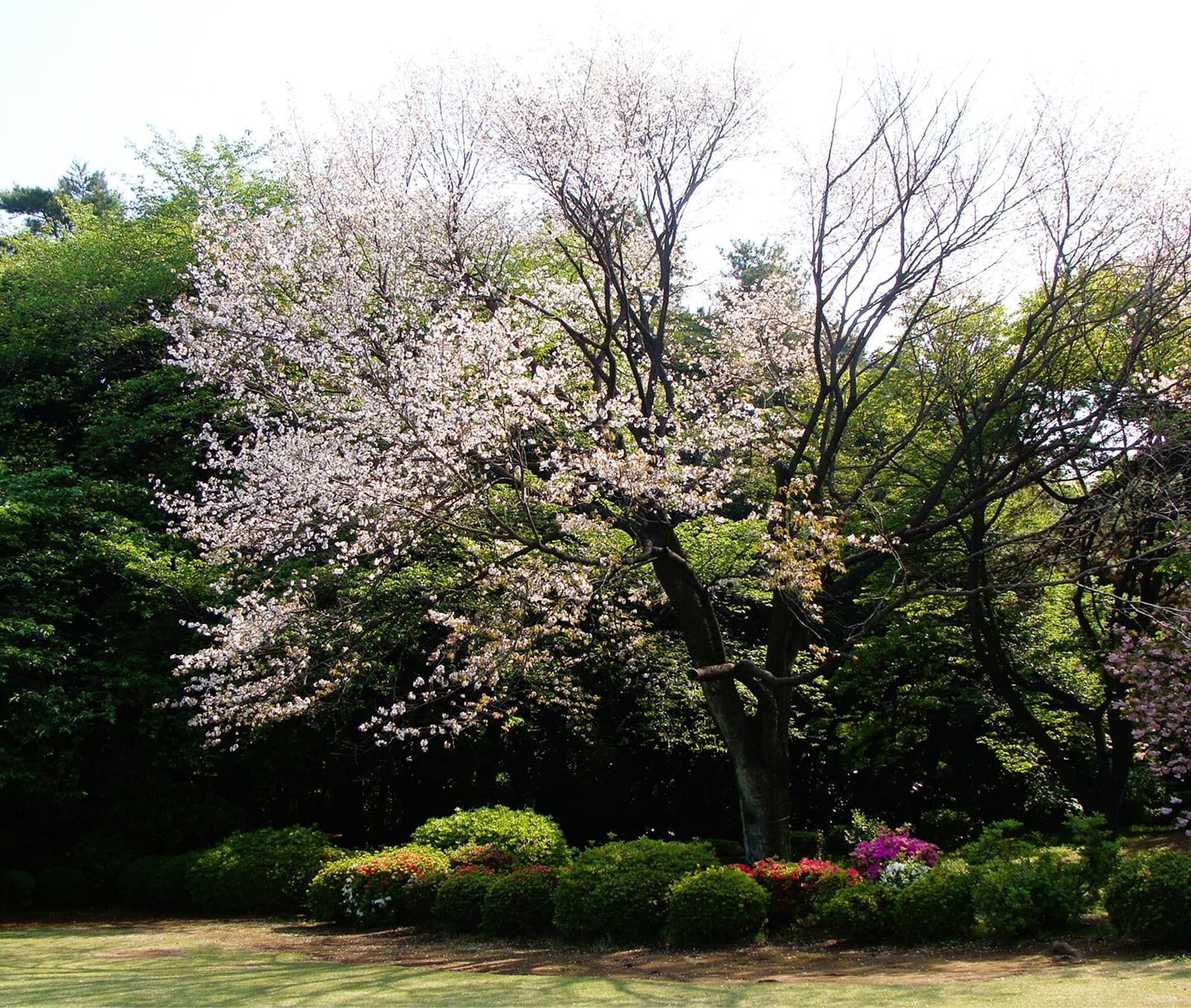
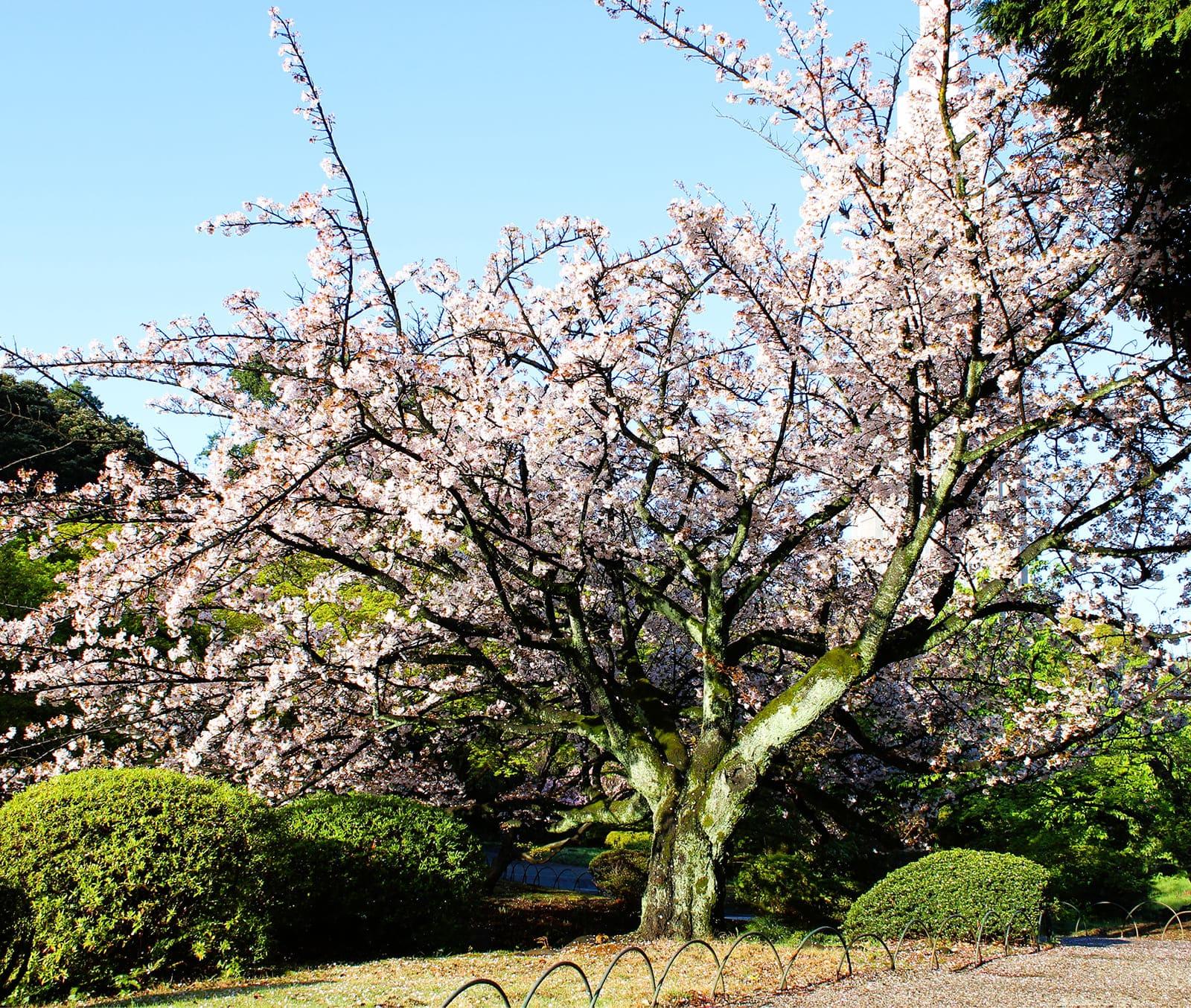
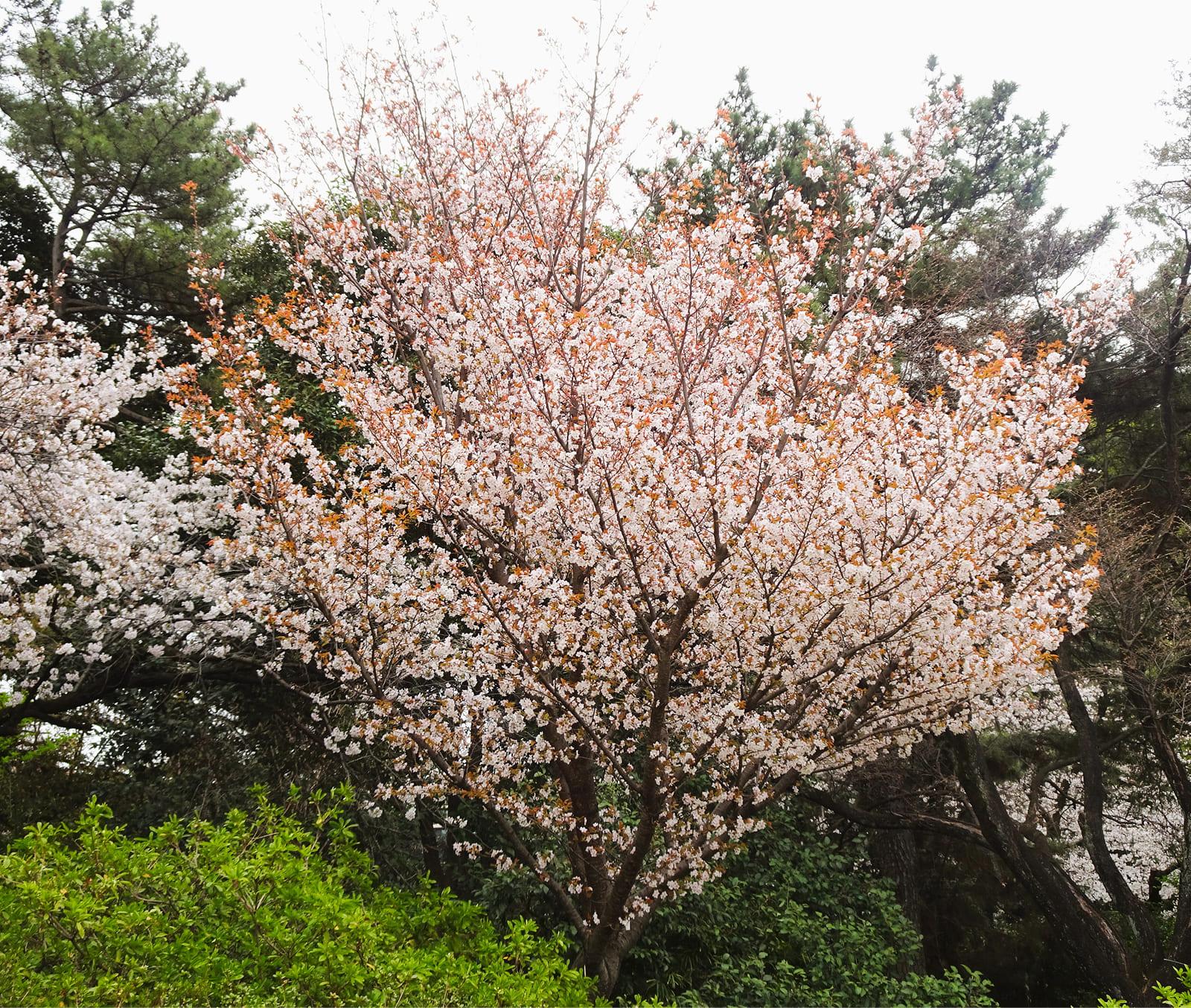
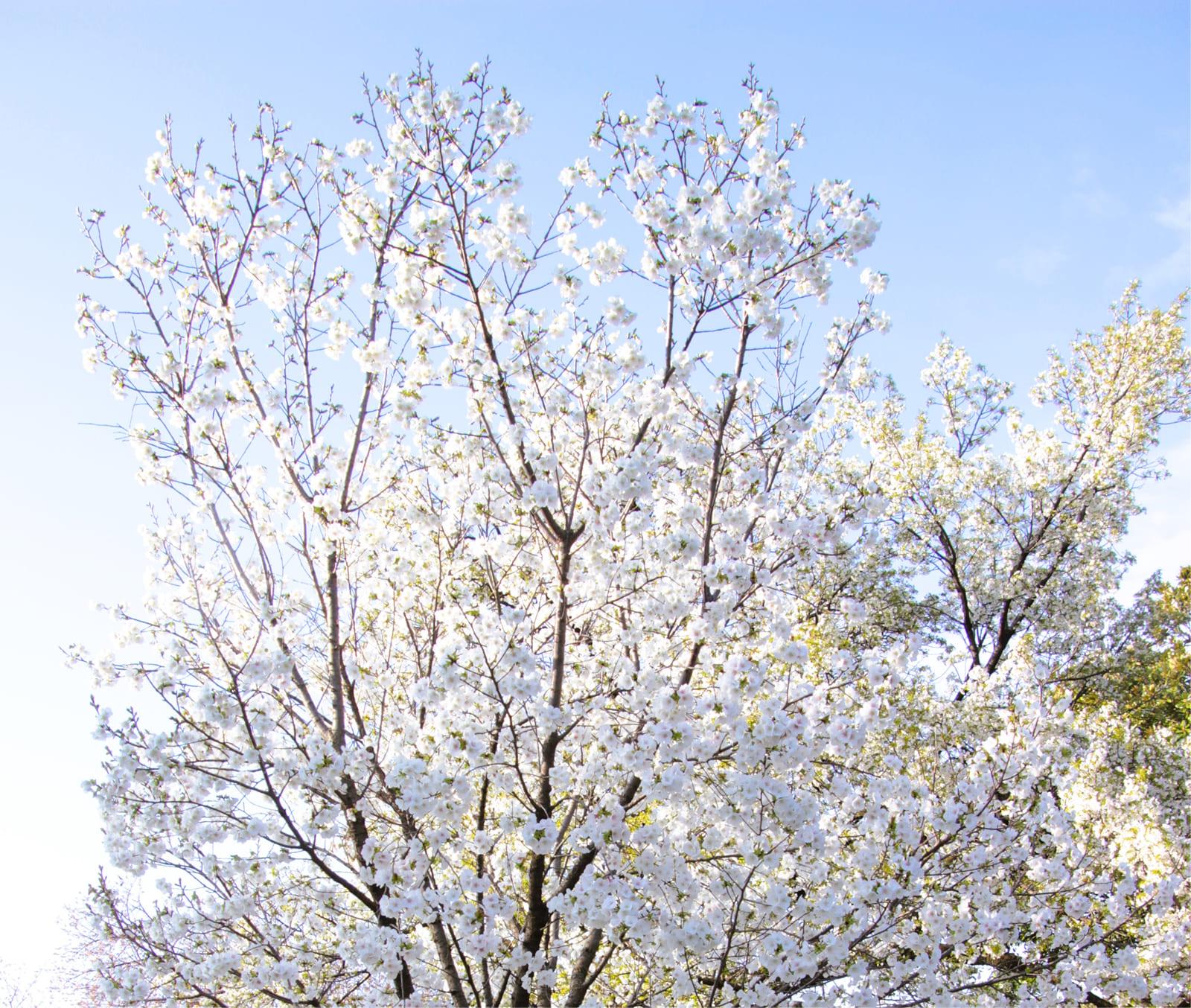
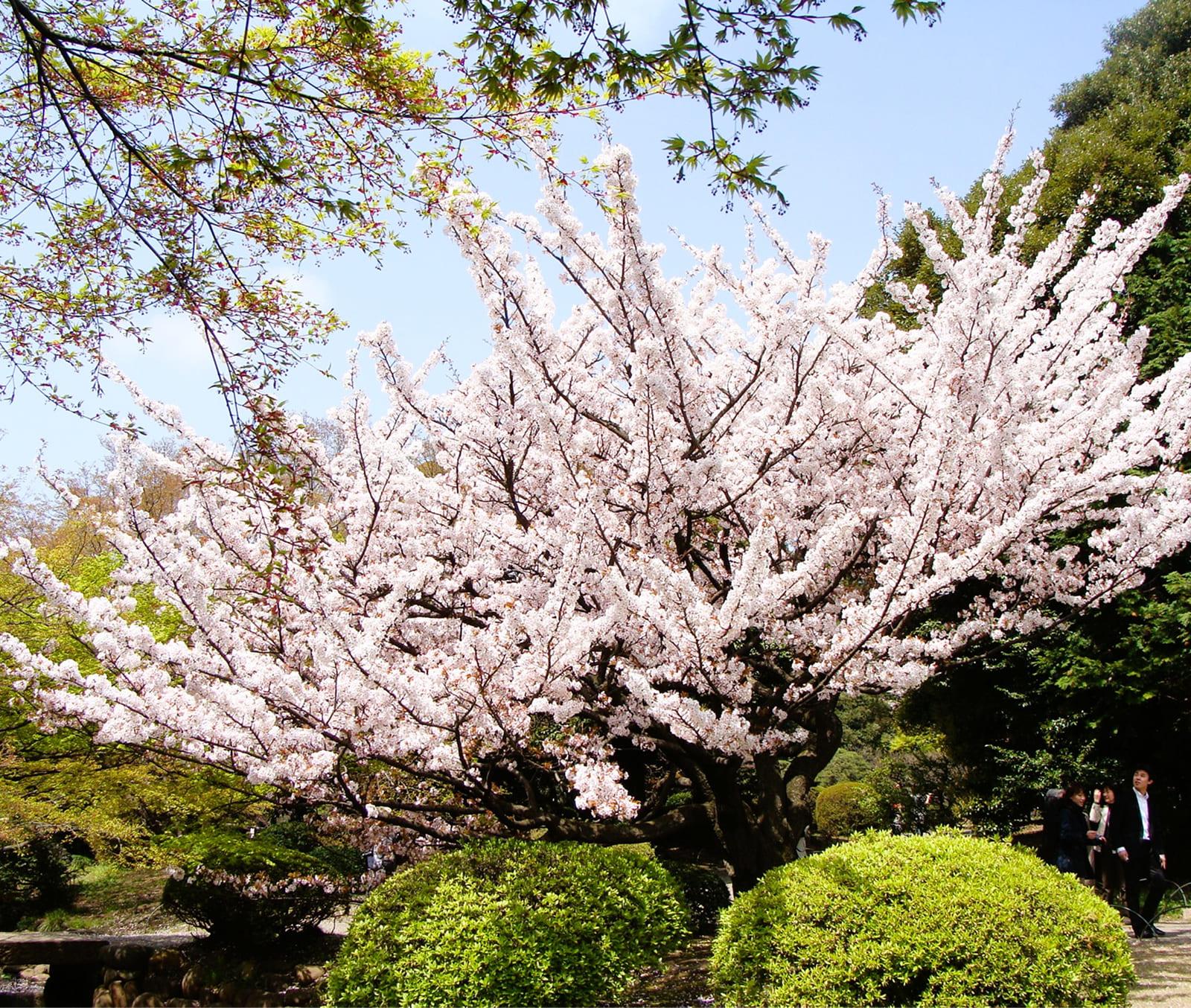
Cultivated widely both in Japan and abroad, this popular variety is the most common sakura in Shinjuku Gyoen, with some 300 trees on the grounds. Look for their fleeting beauty reflected in the surface of Middle Pond and the beautiful contrast of greenery and cherry blossoms in the garden.
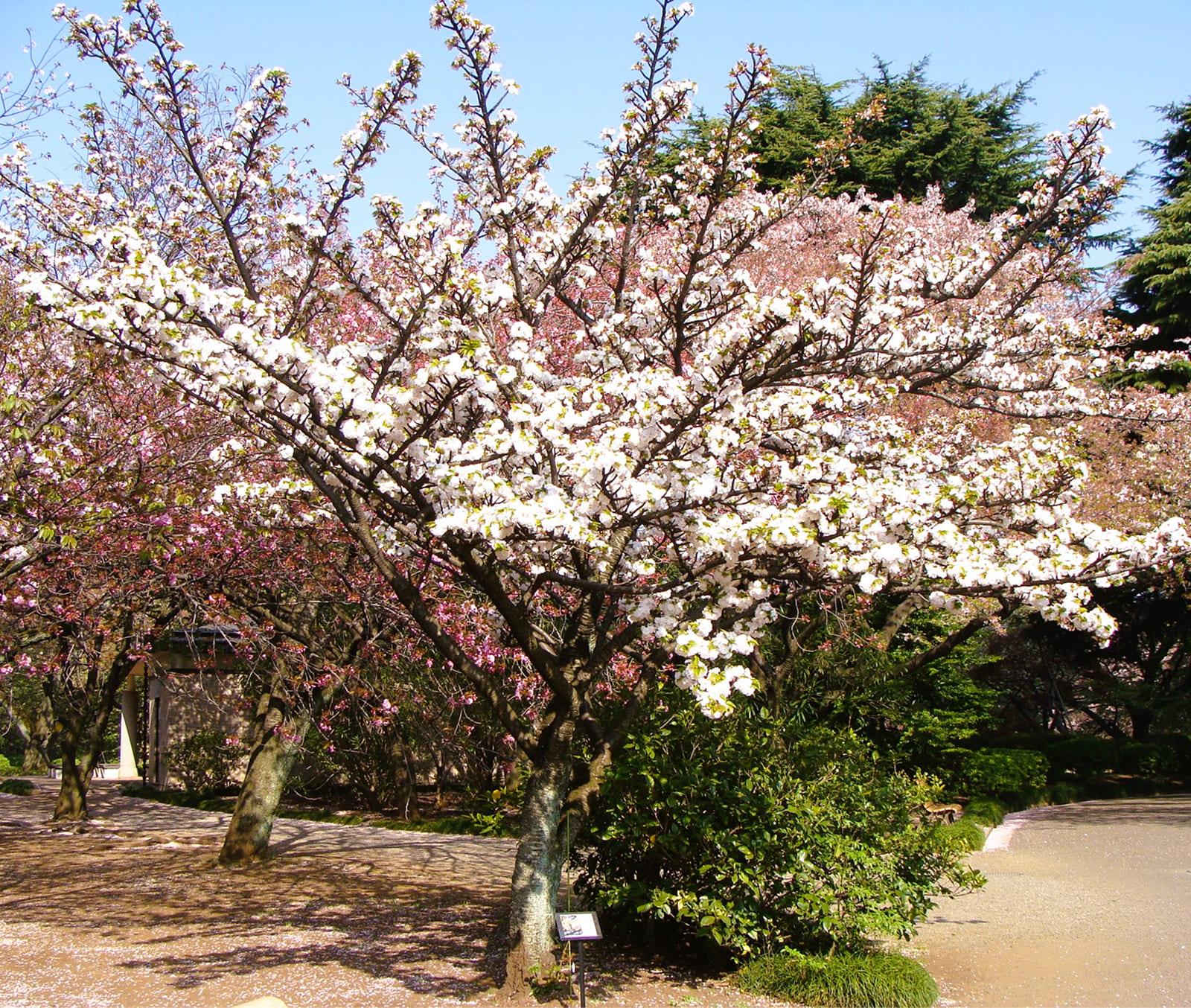
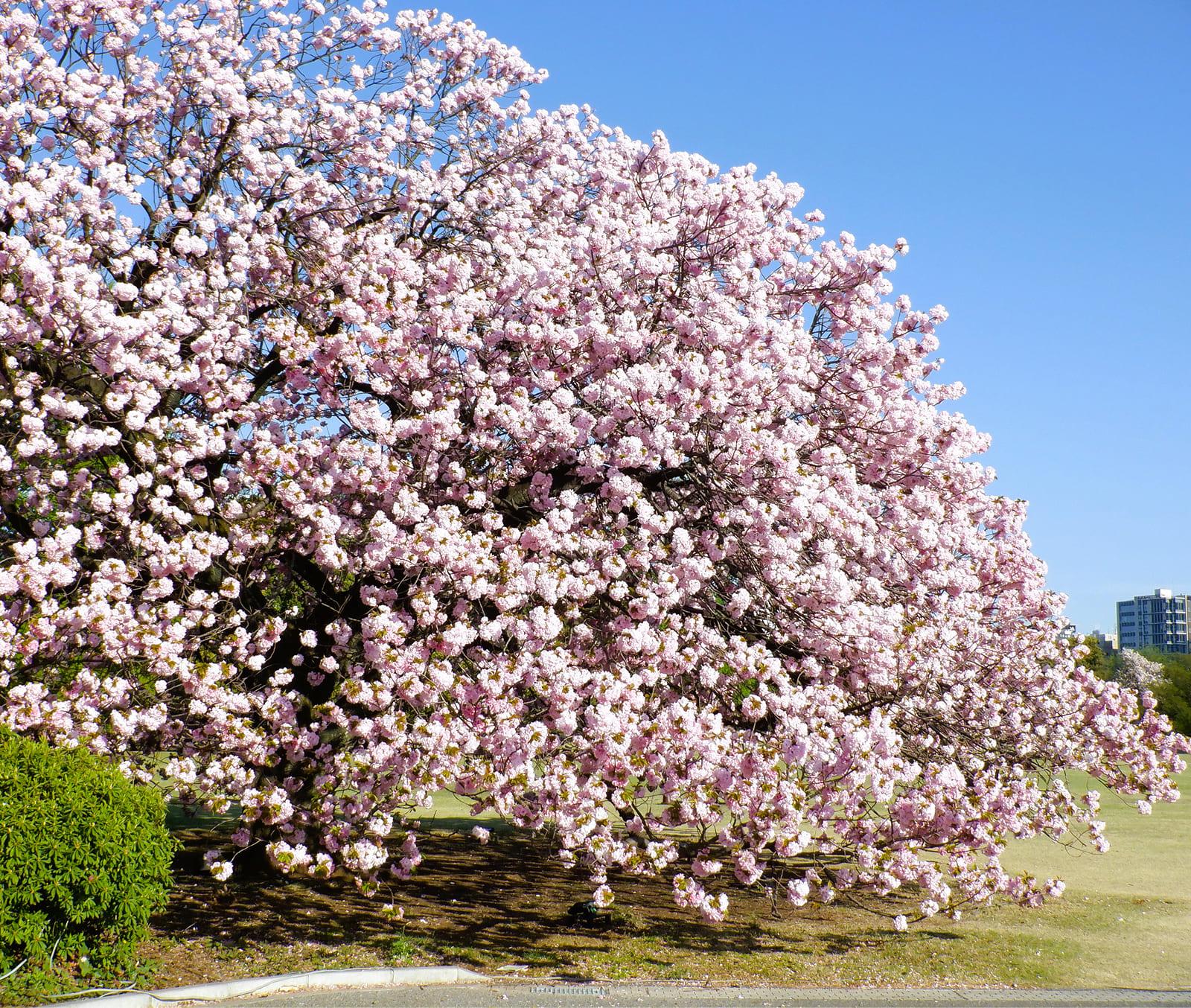
![[Photo] Ichiyo Tree](/national-garden/shinjukugyoen/highlights/sakura/images/ichiyou_tree.jpg)
![[Photo] Ichiyo flower](/national-garden/shinjukugyoen/highlights/sakura/images/ichiyou_blossom.jpg)
- Ichiyo
- Early to mid April
Ichiyo means “one leaf,” a reference to the leaf-like green stamens that emerge from the center of the blossom. The multilayered flowers of this yaezakura can be seen in the Landscape Garden, with nearly 100 trees.
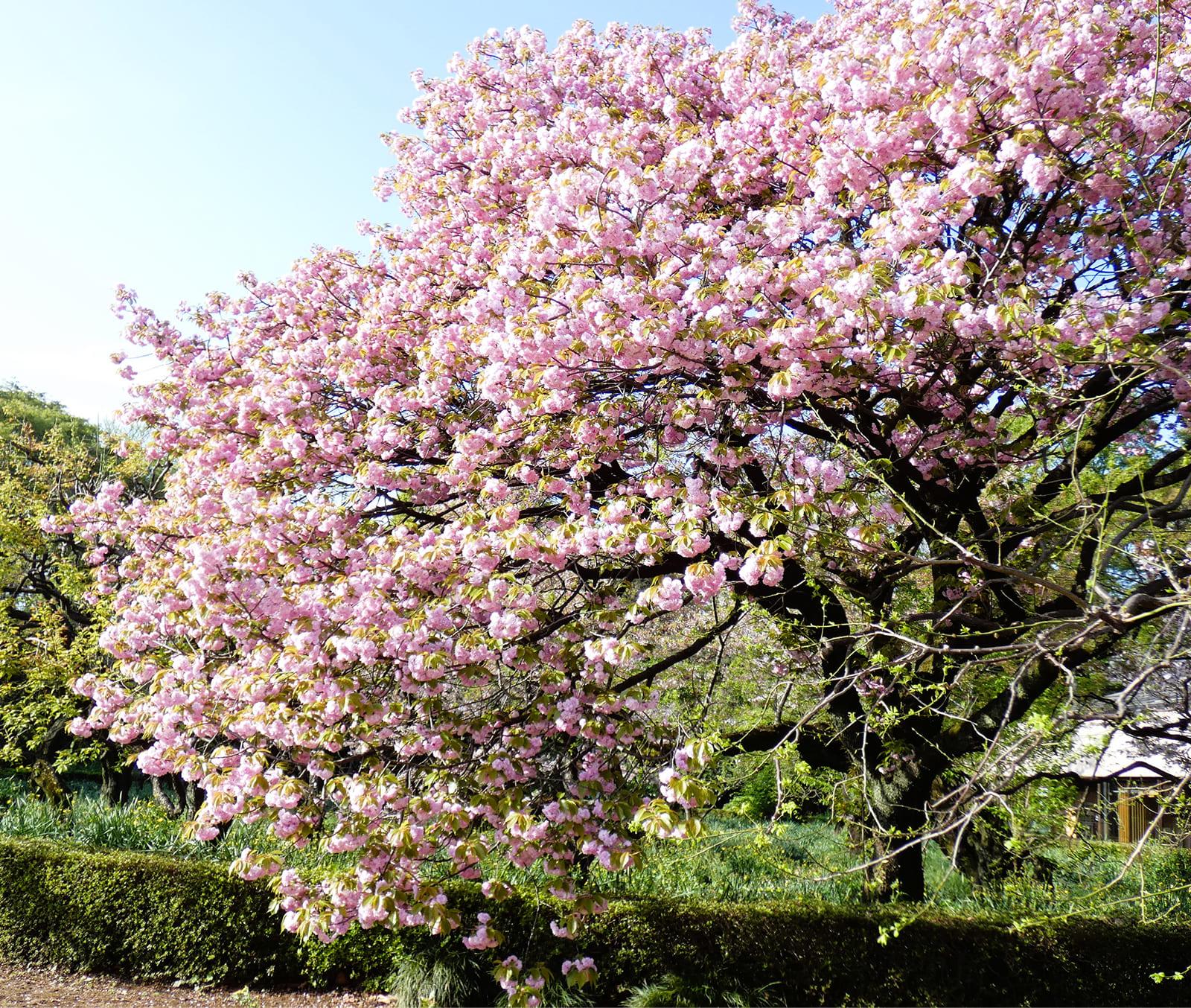
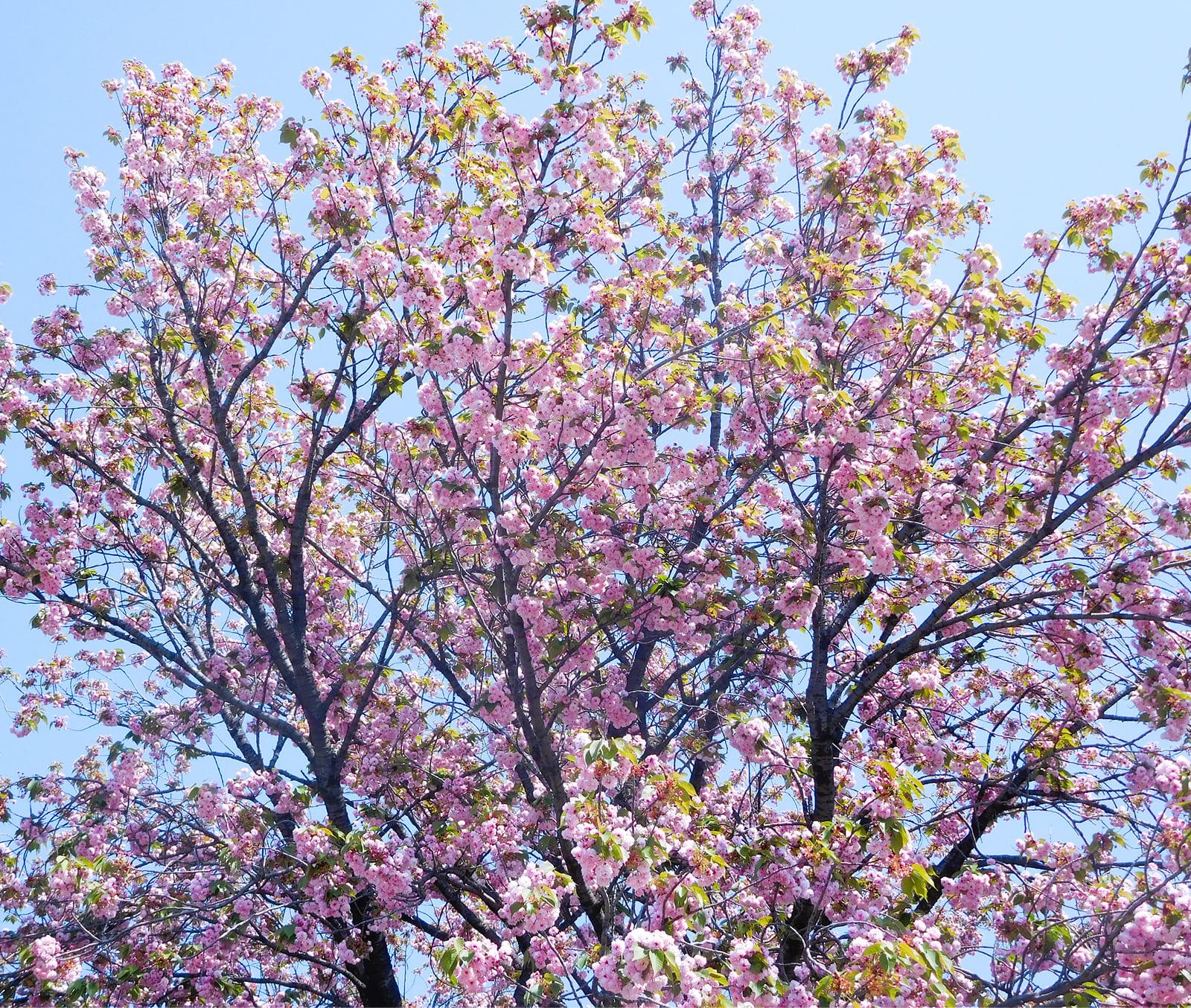
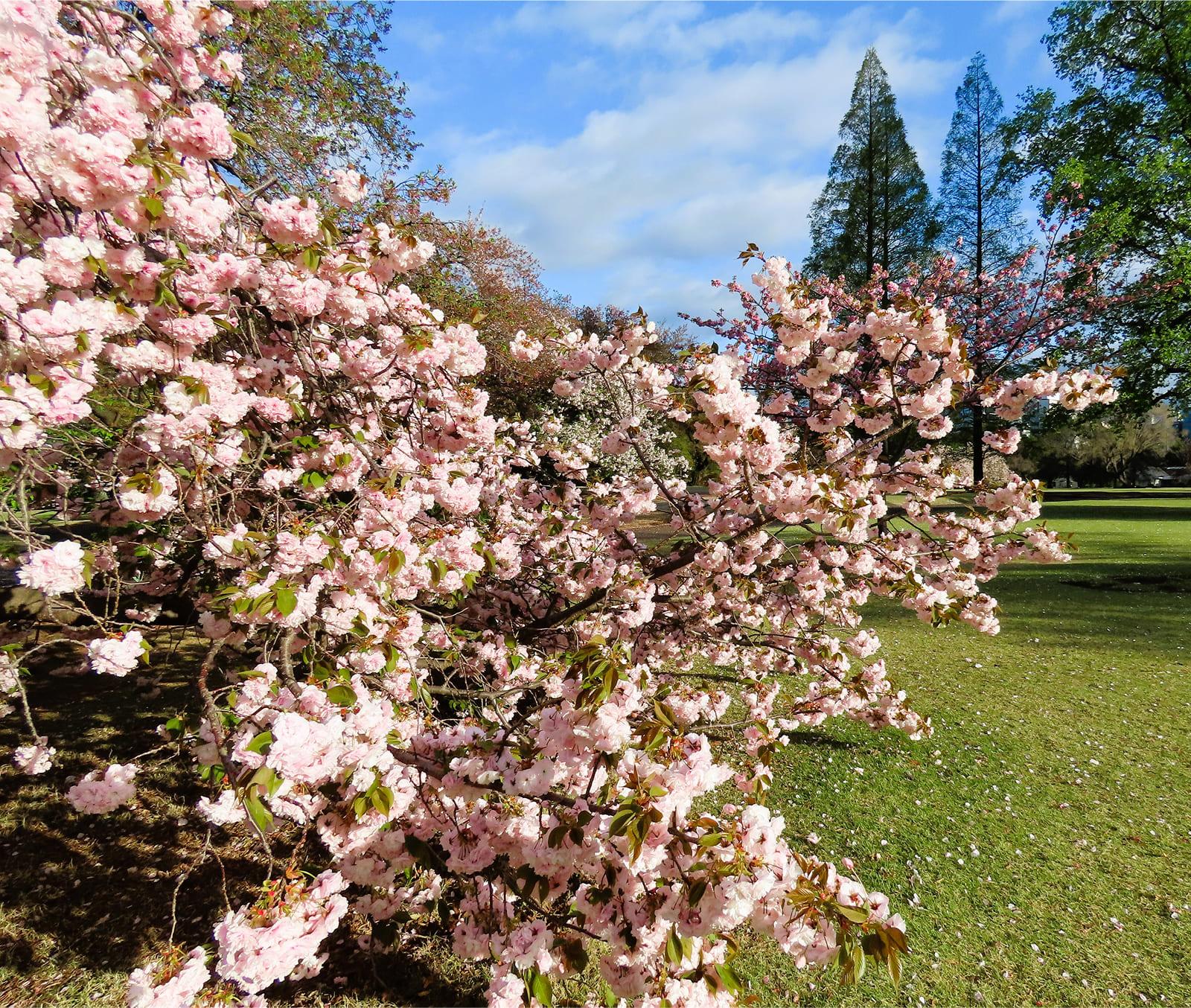
![[Photo] Kanzan Tree](/national-garden/shinjukugyoen/highlights/sakura/images/kanzan_tree.jpg)
![[Photo] Kanzan flower](/national-garden/shinjukugyoen/highlights/sakura/images/kanzan_blossom.jpg)
- Kanzan
- Mid- to late April
This is the most common variety of yaezakura, with frilly waves of deep pink blossoms. The buds are preserved in salt and used in sakurayu tea. Many of the 70 or so specimens that grow throughout Shinjuku Gyoen are to be found near the Central Rest House.
![[Photo] Jugatsu-zakura Tree](/national-garden/shinjukugyoen/highlights/sakura/images/jugatuzakura_tree.jpg)
![[Photo] Jugatsu-zakura flower](/national-garden/shinjukugyoen/highlights/sakura/images/jugatuzakura_blossom.jpg)
- Jugatsu-zakura
- Spring and autumn
Though the flowers are relatively small and sparse in the colder months, this delightful yaezakura blossoms twice each year, in March and again starting in October. Look for these trees near the Shinuku Gyoen National Garden Office and in Cherry Tree Area near Sendagaya Gate.
The other cherry blossoms
-
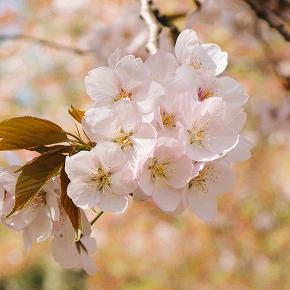
Arashiyama cherry -
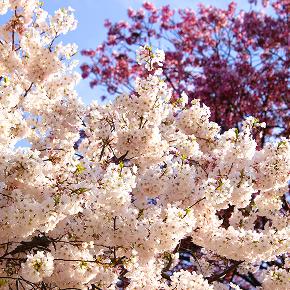
American cherry -
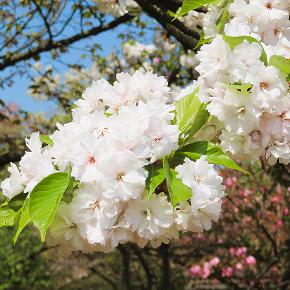
Ichihara Toranoo cherry -
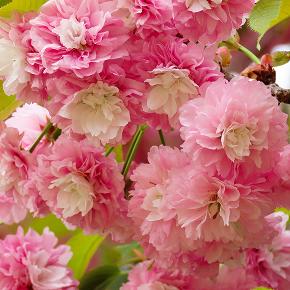
Imose cherry -
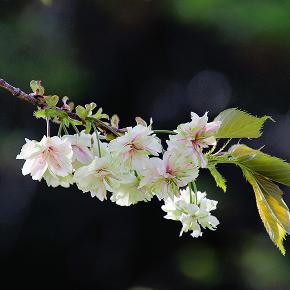
Ukon cherry -
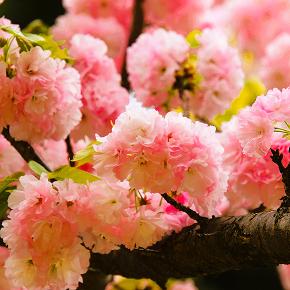
Edo cherry -
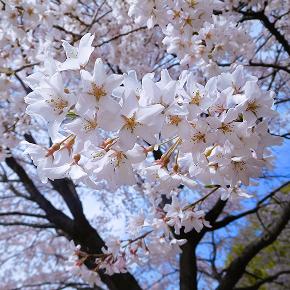
Edo Higan cherry -
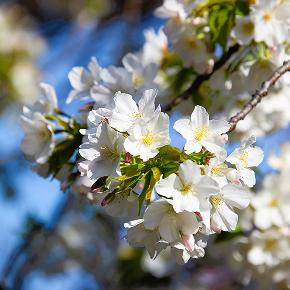
Oshima cherry -
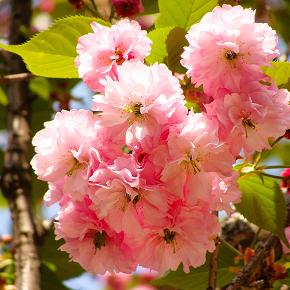
Ohta-zakura cherry -
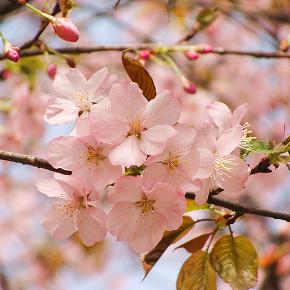
North Japanese hill cherry -
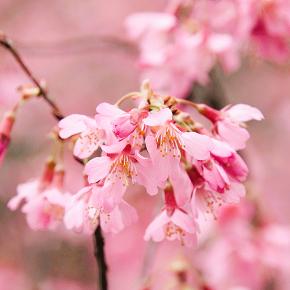
Okame cherry -
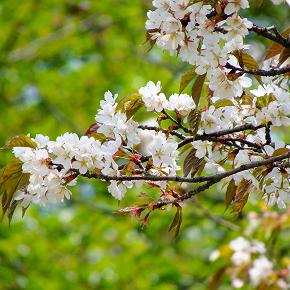
Korean mountain cherry -
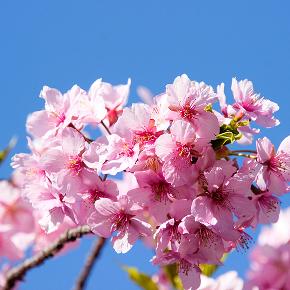
Kawazu-zakura cherry -
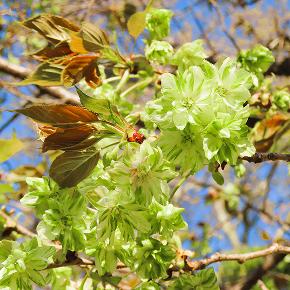
Gyoiko cherry -
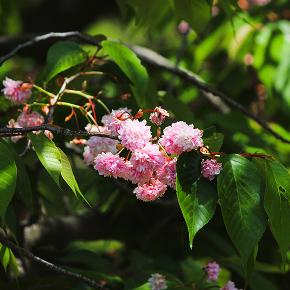
Kenrokuenkiku-zakura cherry -
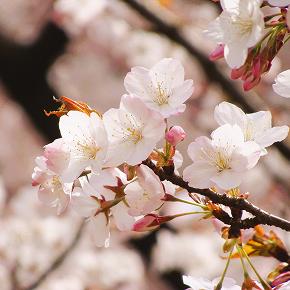
Koshioyama cherry -
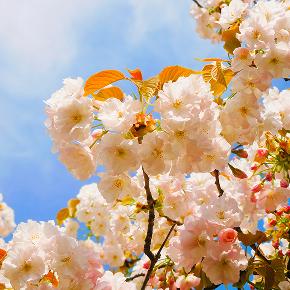
Kotohira cherry -
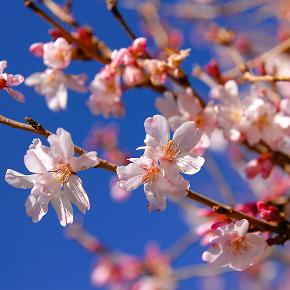
Kohigan cherry -
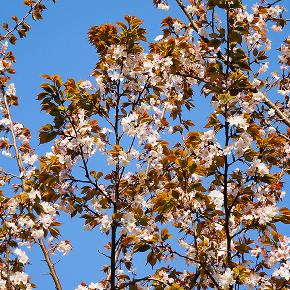
Shishindensakonno-sakura cherry -
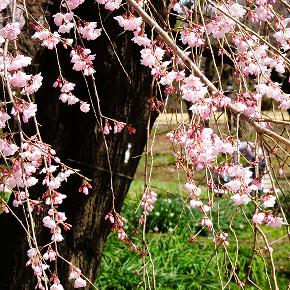
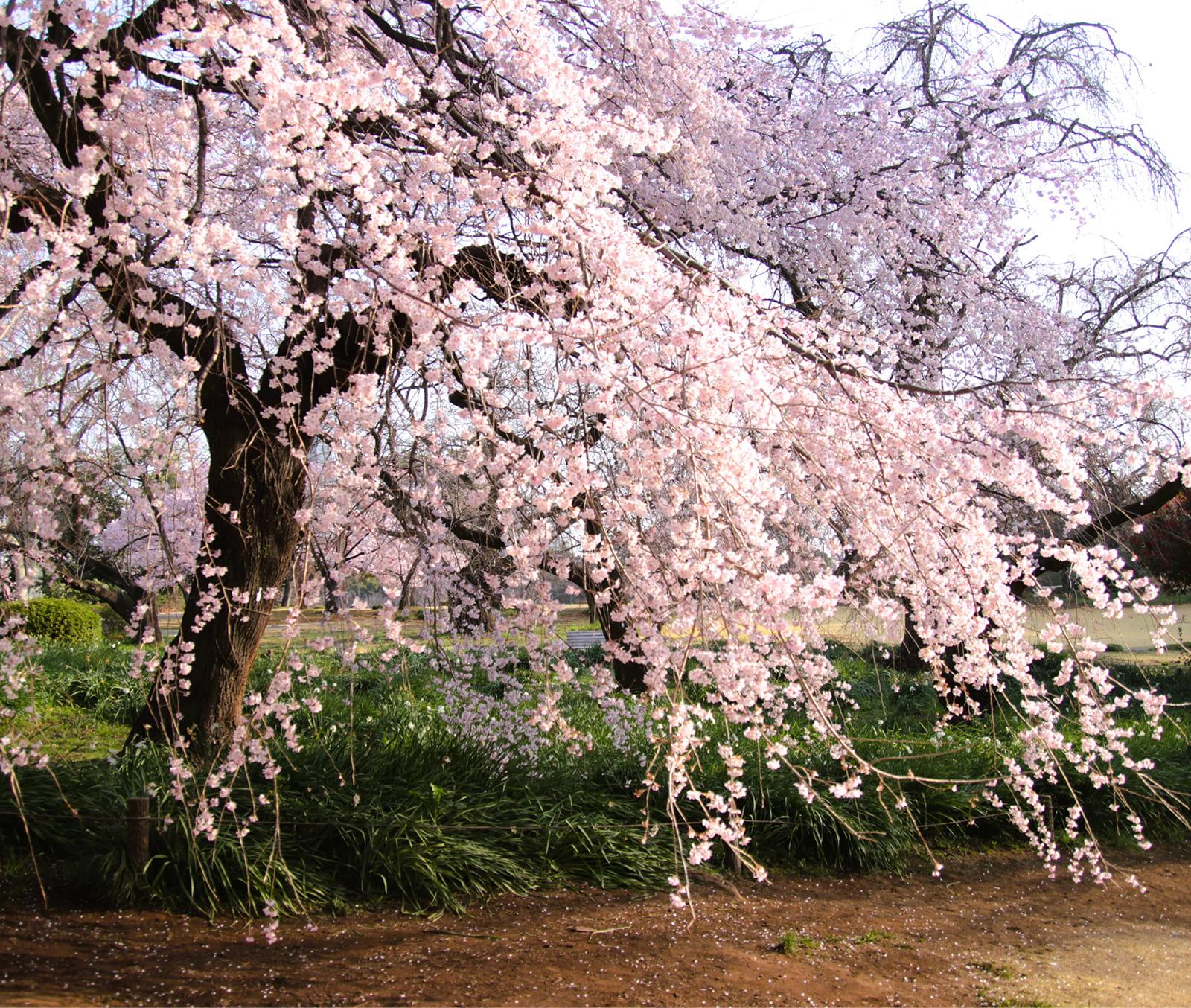
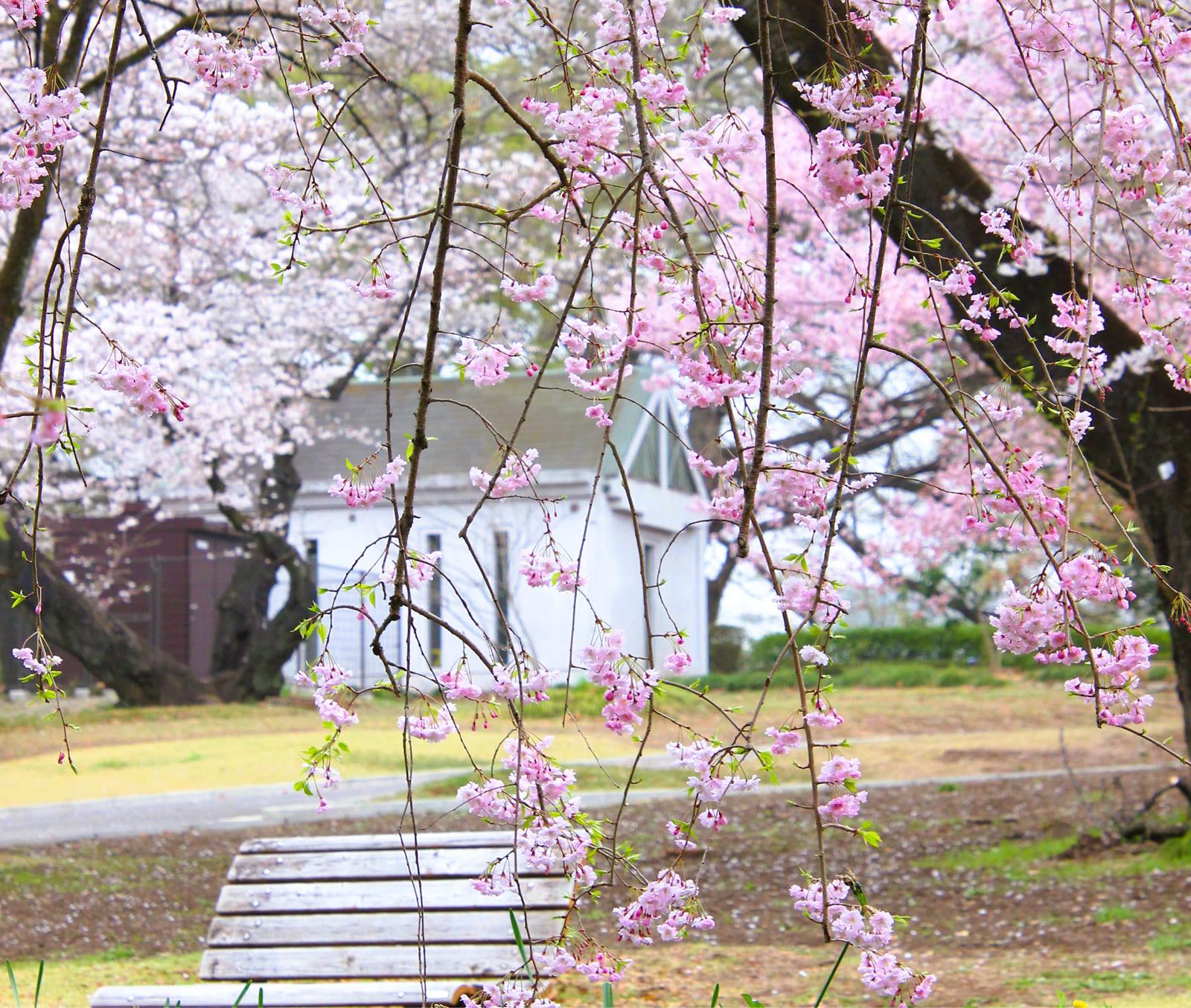
Weeping cherry -
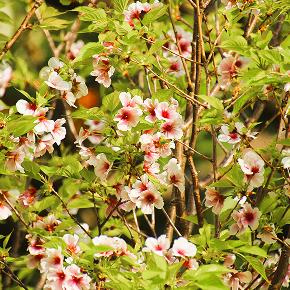
Shibayama cherry -
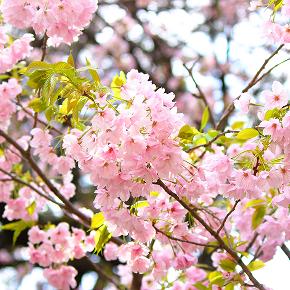
Shujaku cherry -
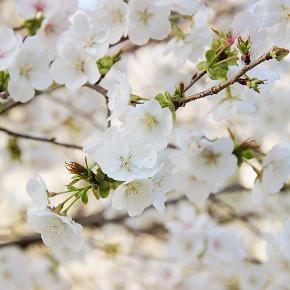
Shirayuki cherry -
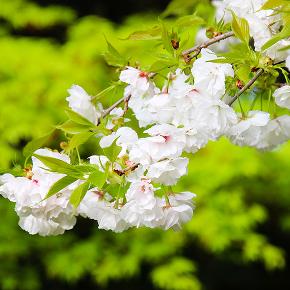
Shirotae cherry -
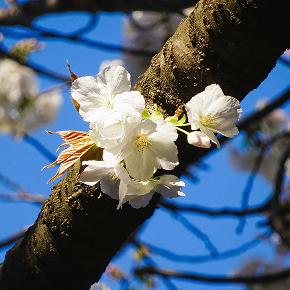
Taihaku cherry -
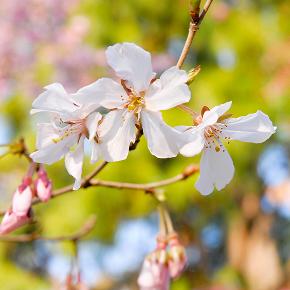
Takato Kohigan cherry -
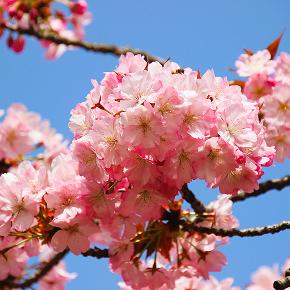
Choshu-hizakura cherry -
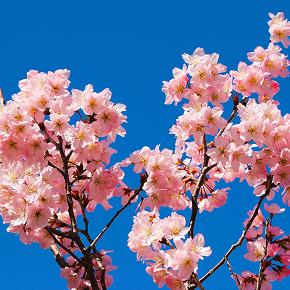
Tokaizakura cherry -
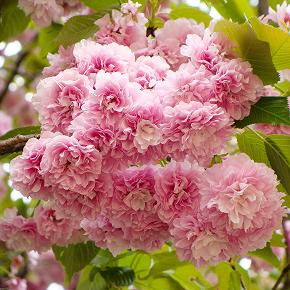
Baigoji-Juzukake-zakura cherry -
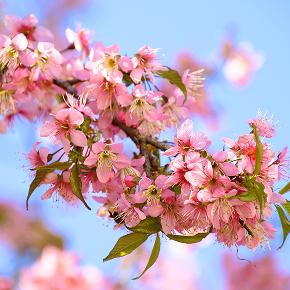
Wild Himalayan cherry -
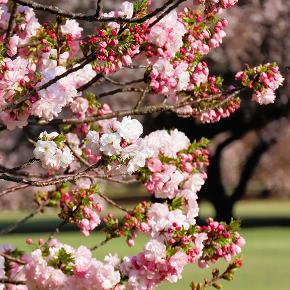
Fukurokuju cherry -
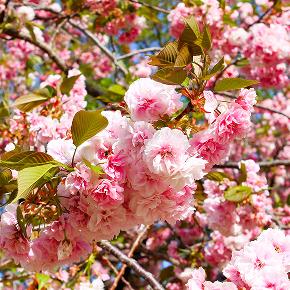
Fugenzo cherry -
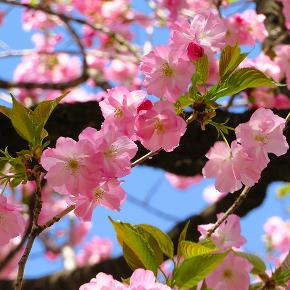
Beni-yutaka cherry -
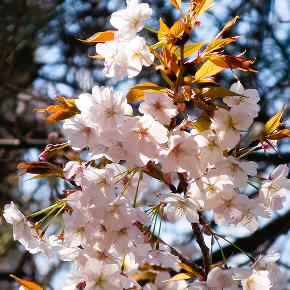
Bendono cherry -
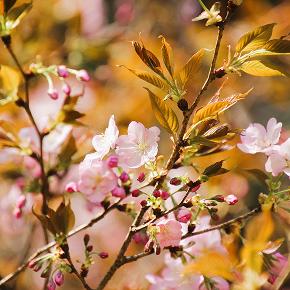
Japanese mountain cherry -
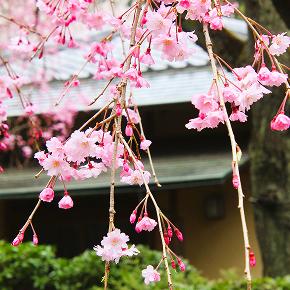
Yae Benishidare cherry -
Yoko cherry -
Yokohama Hizakura cherry