
Greenhouse
- Top
- Highlights
- Greenhouse
Greenhouse
![[Photo] A view of the tropical pond plants section in the center of the greenhouse. It includes displays of Oonibas and tropical water lilies.](/national-garden/shinjukugyoen/highlights/greenhouse/images/green_01.jpg)
Visitors entering through the Okido Gate encounter a dazzling glass structure—the greenhouse of Shinjuku Gyoen, where 1,000 kinds of plants are displayed in an area of some 2,750 square meters. This number rises to around 2,700 varieties, including back-of-house cultivation.
The first greenhouse in Shinjuku Gyoen was a modest glass building of 100 square meters. It was constructed in 1875 when the garden served as an agricultural experimental station under the Ministry of Home Affairs.
In 1892 a new Western-style structure with facilities for heating and temperature control was built, enabling the cultivation of orchids and other tropical plants.
Around the early twentieth century, a great number of hybrids bearing the name "Shinjuku" were produced here, such as "Cattleya Shinjuku" and "Lealia Shinjuku." Some of those varieties can still be seen in the greenhouse today.
![[Photo] A view of the exterior of the greenhouse. The modern design of this greenhouse was reopened in 2012.](/national-garden/shinjukugyoen/highlights/greenhouse/images/green_02.jpg)
The 1945 air raids devastated much of Shinjuku Gyoen, including the greenhouse. Rebuilt in 1958, it became one of the largest greenhouses in Asia at the time. Later, it underwent several renovations and expansions over the next several decades. In 2012, the greenhouse was extensively remodeled as a more environmentally friendly facility, exhibiting and cultivating tropical and sub-tropical plants, as well as endangered plants.
As a part of the National Network of Botanical Gardens for the Conservation of Plant Diversity operated by the Japan Association of Botanical Gardens, Shinjuku Gyoen is committed to the preservation of endangered plants outside their natural habitats.
The exhibits are divided into sections, including tropical lowland plants and mountainous plants, Okinawan flora, and plants that grow in arid regions.
Our experienced staff also conduct greenhouse guided tours and behind-the-scenes tours each month.
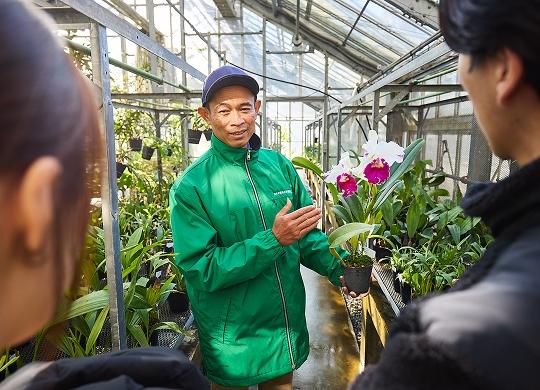
Back-of-House Greenhouse Tours
The greenhouse staff offers tours that take visitors behind the scenes of the greenhouse, which is usually closed to the public.
Participants can learn about the facility’s history, highlights, and cultivation efforts for rare orchids and endangered plants.See the Shinjuku Gyoen Guided Tours website for scheduled dates and times.
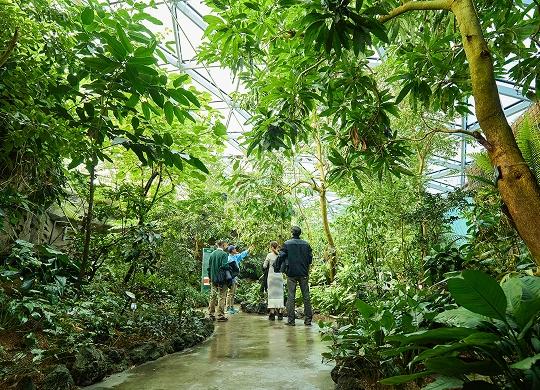
Greenhouse Guided Tours
Take a deeper dive into the greenhouse free tours led by our experienced staff each month. The guide addresses the history of plants and the seasonal highlights.See the Shinjuku Gyoen Guided Tours website for scheduled dates and times.
Greenhouse plants
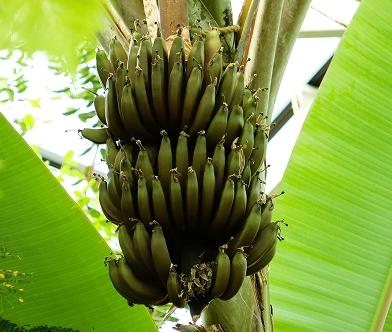
- Red banana
-
- Family
- Musaceae
- Habitat
- Native to The Philippines
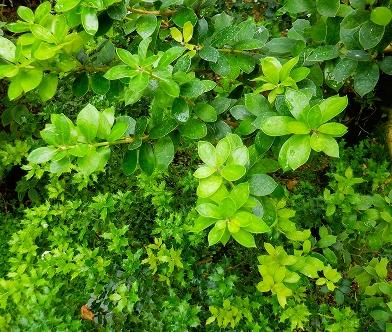
- Macropoda holly
-
- Family
- Aquifoliaceae
- Habitat
- Species endemic to Amami Oshima
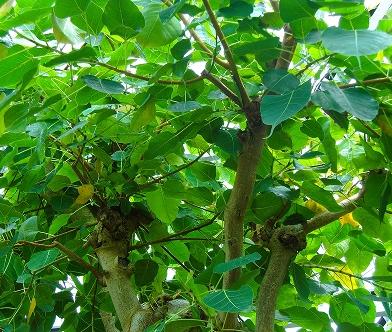
- Bodhi tree
-
- Family
- Moraceae
- Habitat
- Native to India
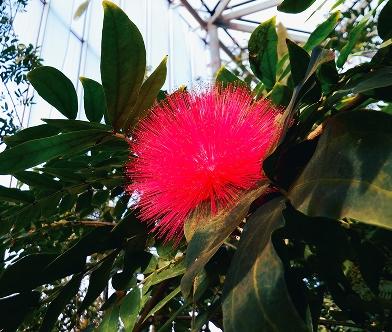
- Red powder puff
-
- Family
- Leguminosae
- Habitat
- Native to Bolivia
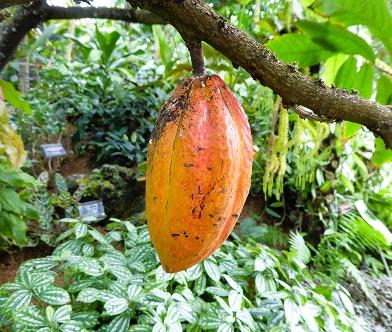
- Cacao
-
- Family
- Malvaceae
- Habitat
- Native to tropical parts of the American continents
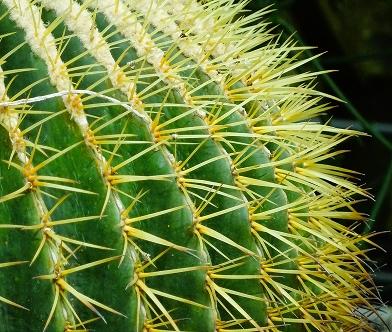
- Golden barrel cactus
-
- Family
- Cactaceae
- Habitat
- Native to Mexico
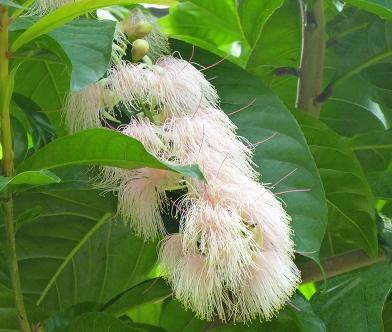
- Common putat
-
- Family
- Lecythidiaceae
- Habitat
- Native to the Nansei Islands
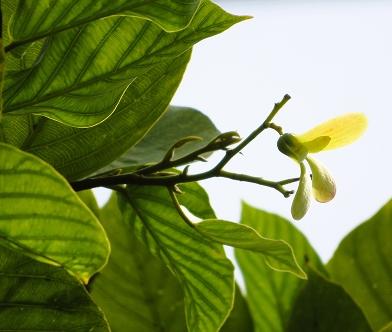
- Sal tree
-
- Family
- Dipterocarpaceae
- Habitat
- Native to India
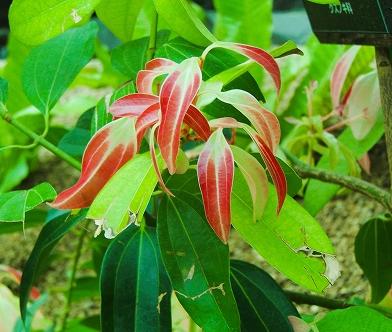
- Ceylon cinnamon tree
-
- Family
- Lauraceae
- Habitat
- Native to Sri Lanka
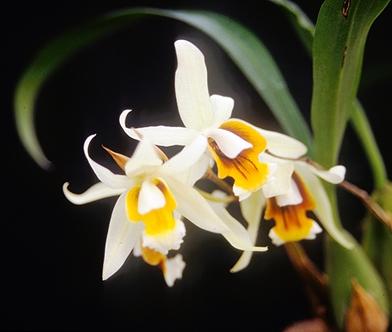
- Coelogyne Shinjuku
-
- Family
- Orchidaceae
- Habitat
- Created by Shinjuku Gyoen
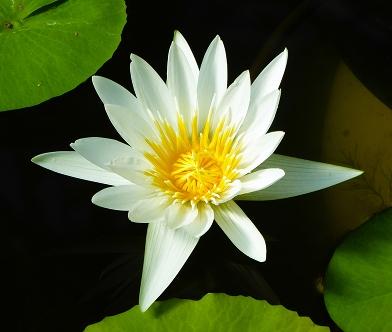
- Tropical water lily
-
- Family
- Nymphaeaceae
- Habitat
- Native to Africa
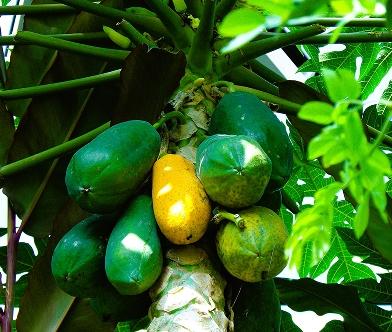
- Papaya
-
- Family
- Caricaceae
- Habitat
- Native to Mexico
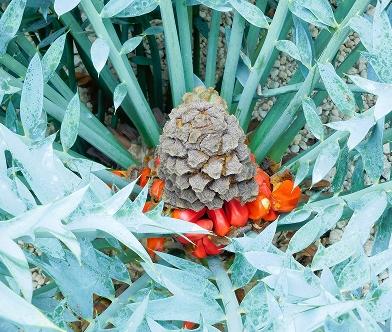
- Eastern Cape blue cycad
-
- Family
- Cycadaceae
- Habitat
- Native to South Africa
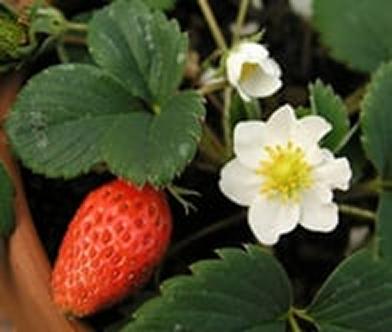
- Fukuba strawberry
-
- Family
- Rosaceae
- Habitat
- Created by Shinjuku Gyoen
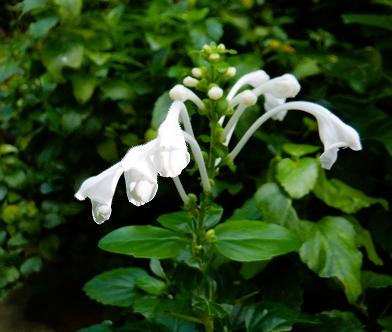
- Japanese skullcap
-
- Family
- Labiatae
- Habitat
- Species endemic to the Ogasawara Islands (Anijima)
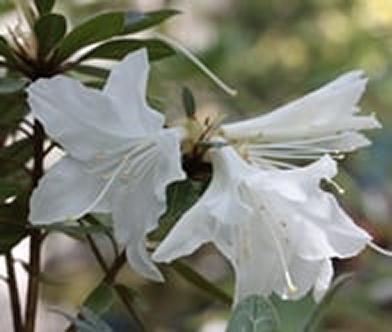
- Rhododendron boninense
-
- Family
- Ericaceae
- Habitat
- Species endemic to the Ogasawara Islands (Chichijima)
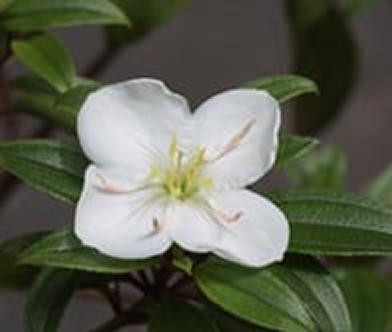
- Melastoma tetramerum
-
- Family
- Melastomataceae
- Habitat
- Species endemic to the Ogasawara Islands (Chichijima)
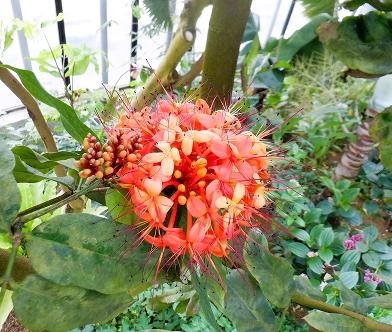
- Ashoka tree
-
- Family
- Leguminosae
- Habitat
- Native to India
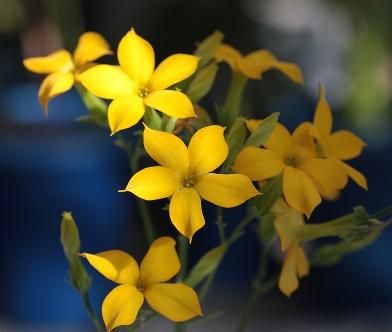
- Kalanchoe integra (Ryukyu benkei)
-
- Family
- Crassulaceae
- Habitat
- Distributed throughout the Ryukyu Islands
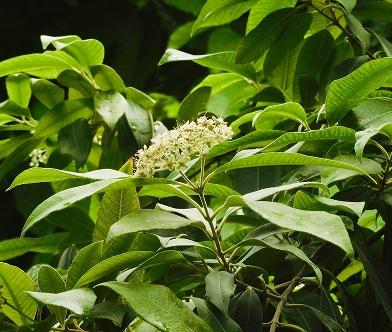
- Lemon myrtile
-
- Family
- Myrtaceae
- Habitat
- Native to Australia
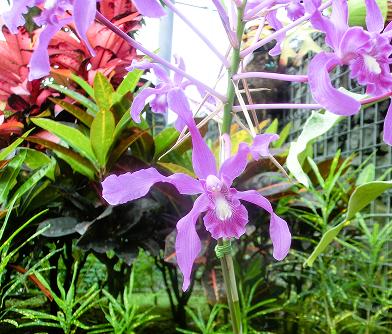
- Lealia Shinjuku
-
- Family
- Orchidaceae
- Habitat
- Created by Shinjuku Gyoen